Why Modern Paint Finishes Are More Vulnerable Without PPF
Modern vehicles are designed with advanced engineering, lightweight materials, and sleek finishes that enhance both appearance and efficiency. However, while automotive technology has evolved rapidly, the durability of factory paint systems has changed as well. Many modern paint systems are designed to meet environmental standards and manufacturing efficiency goals, which often results in thinner coatings that can be more susceptible to chips, minor scratches, and daily wear. This change means vehicle owners today must take additional steps to maintain the appearance and longevity of their paint.
Drivers in Tampa often notice that their vehicle’s finish can begin showing signs of damage sooner than expected. Road debris, sun exposure, and frequent driving conditions can affect the outer layer of paint, especially when the clear coat is thinner than older automotive finishes. This has made modern car paint protection an important consideration for anyone who wants to keep their vehicle looking new for years.
Professional detailing services, such as those provided by
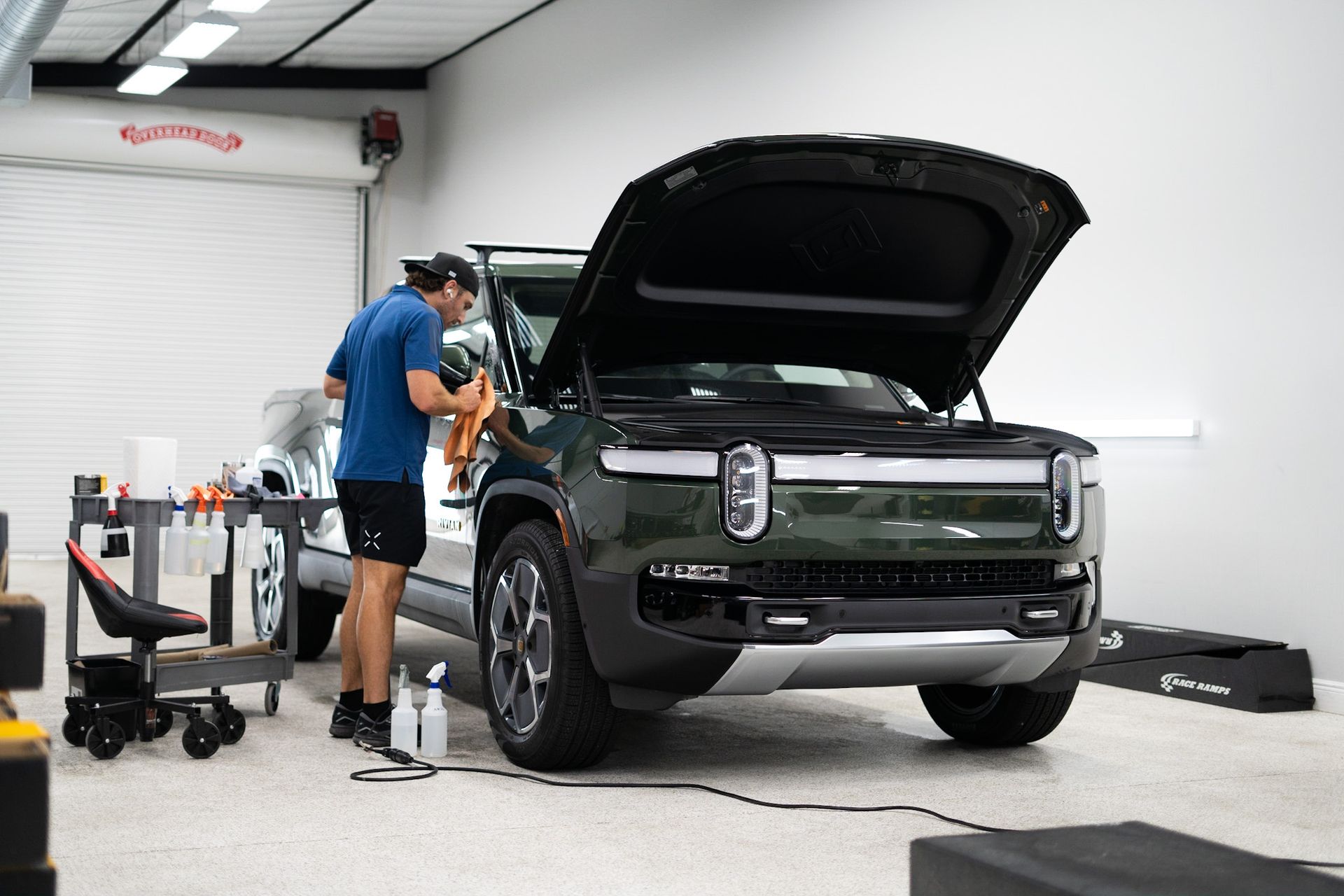
Presidential Automotive Detailing, help vehicle owners address this issue by applying protective solutions that reinforce vulnerable factory paint. Paint protection film adds an additional barrier against road hazards and environmental damage, helping compensate for the thinner coatings found on modern vehicles.
How Automotive Paint Technology Has Changed Over the Years
Automotive paint technology has changed significantly over the past few decades. Manufacturers have adjusted paint formulas and application processes to comply with environmental regulations while also improving production efficiency. Although these changes benefit manufacturing and environmental safety, they have also altered how durable factory paint finishes are when exposed to real-world driving conditions.
Older vehicles often featured thicker paint systems that could tolerate minor debris and abrasions more easily. Modern vehicles, however, use more advanced paint processes that apply thinner layers to reduce emissions and improve efficiency during manufacturing. While these finishes still provide excellent color depth and shine, the reduced thickness means the outer layer may not offer the same level of resistance to chips or minor scratches as older paint systems.
Environmental Regulations and Their Impact on Automotive Paint
Environmental regulations have played a major role in shaping modern automotive paint technology. Many traditional solvent-based paints contained chemicals that released volatile organic compounds during the manufacturing process. To reduce environmental impact and improve workplace safety, manufacturers transitioned to water-based paint systems that generate fewer emissions.
While these environmentally friendly paint systems are an important advancement, they often require thinner coatings and different application methods. As a result, the protective layers applied at the factory may not provide the same thickness once common in older vehicles. This shift makes modern finishes more sensitive to road debris, environmental contaminants, and surface abrasion.
The Shift Toward Lighter and More Efficient Paint Systems
Another factor influencing modern paint durability is the automotive industry’s focus on efficiency and weight reduction. Manufacturers constantly look for ways to reduce vehicle weight to improve fuel efficiency and meet regulatory standards. Even small reductions in material thickness can contribute to overall efficiency improvements during mass production.
Because of this focus, modern paint systems are engineered to provide high visual quality while using less material. The result is a finish that looks impressive but may be more vulnerable to damage from everyday driving conditions. When small rocks or road debris strike a thinner clear coat, the impact can more easily reach the underlying paint layer.
Why Modern Clear Coats Are More Susceptible to Damage
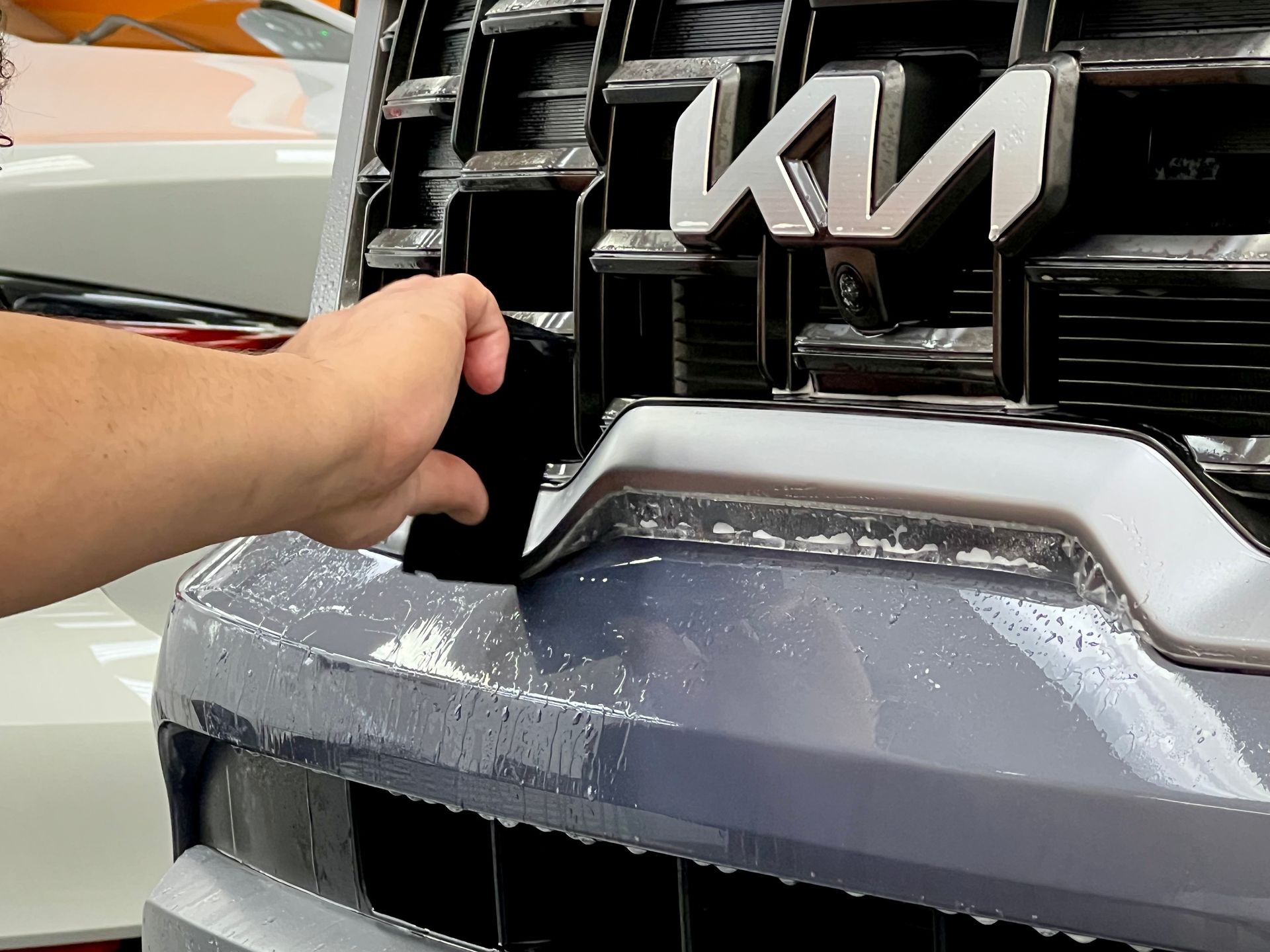
The clear coat is the outermost layer of a vehicle’s paint system and serves as the primary barrier against external damage. In modern vehicles, this layer is often thinner than what was used in the past, which means it provides less physical resistance against impacts and abrasion. Although it still protects the paint beneath it, the reduced thickness can allow damage to appear more easily when exposed to harsh conditions.
When a vehicle travels at highway speeds, small rocks, sand particles, and other debris can strike the surface with surprising force. A thicker clear coat may absorb some of that impact, but a thinner coating is more likely to chip or show surface damage. Over time, these small imperfections can accumulate and affect the overall appearance of the vehicle.
Reduced Thickness Means Less Impact Resistance
One of the most noticeable effects of thinner clear coats is the increased likelihood of rock chips. Even small pieces of gravel or debris can cause minor damage when they hit the paint surface. Because modern coatings provide less impact resistance, the damage may occur more frequently than many drivers expect.
Drivers often notice these chips on the front bumper, hood, and fenders, where debris from the road is most likely to strike. These areas experience constant exposure during everyday driving, making them particularly vulnerable when factory paint systems lack additional protection.
Increased Risk of Minor Scratches and Surface Marks
In addition to rock chips, thinner clear coats can also be more prone to minor scratches and swirl marks. Routine washing, accidental contact with objects, or brushing against debris can leave visible marks on the surface. While some of these imperfections can be corrected through detailing, repeated abrasion can gradually weaken the protective layer.
Vehicles that are regularly driven through urban areas or tight parking spaces may experience more frequent surface contact. This increases the chance of minor scratches that can accumulate over time and reduce the overall clarity of the paint finish.
Exposure to Road Debris and Environmental Contaminants
Road debris is not the only factor affecting modern paint durability. Environmental contaminants such as bug residue, bird droppings, tree sap, and airborne pollutants can also damage the surface if they remain on the paint for extended periods. When the protective clear coat is thinner, these substances may cause staining or etching more quickly.
Frequent exposure to these contaminants can make the paint appear dull or worn, especially if the vehicle is driven daily. This is one reason many vehicle owners in Tampa seek additional forms of modern car paint protection to help maintain their vehicle’s appearance.
Why Paint Damage Happens Faster Than Many Drivers Expect
Many drivers assume that factory paint is strong enough to withstand most everyday conditions without additional protection. However, modern paint systems are designed to balance appearance, efficiency, and environmental compliance rather than maximum thickness. Because of this balance, paint damage can occur sooner than expected in certain driving environments.
Vehicles that frequently travel on highways or heavily trafficked roads face constant exposure to debris and airborne particles. These hazards may seem minor individually, but their repeated impact can gradually weaken the outer paint layer. Over time, small chips and minor scratches become more visible and may require corrective detailing.
Highway Driving and High-Speed Debris
Highway driving significantly increases the chances of debris striking a vehicle’s paint surface. Even tiny particles can cause noticeable chips when they collide with the front of a vehicle at high speeds. The hood, front bumper, and windshield area often receive the most impact.
For drivers who regularly commute or travel long distances, this type of exposure is unavoidable. Without additional protection, these impacts can accumulate and affect the vehicle’s overall appearance.
Urban Driving Hazards
City driving introduces a different set of risks for modern paint finishes. Parking lots, tight spaces, and heavy traffic increase the chances of accidental contact with other vehicles, shopping carts, or roadside objects. Even minor contact can leave marks or minor scratches on the surface.
Over time, these small imperfections can make a vehicle appear older than it actually is. Preventing this type of wear is one of the reasons drivers invest in modern car
paint protection services.
Sun Exposure and Florida Climate Conditions
The climate in Tampa also plays a role in how paint finishes age. Strong sunlight and high temperatures can gradually weaken the protective properties of the clear coat. Constant UV exposure may lead to fading, oxidation, or loss of gloss if the paint is not properly protected.
Vehicles parked outdoors or driven frequently during the day experience the greatest exposure. Maintaining the finish under these conditions often requires an additional protective layer that shields the paint from environmental stress.
How Paint Protection Film Supports Modern Car Paint Protection
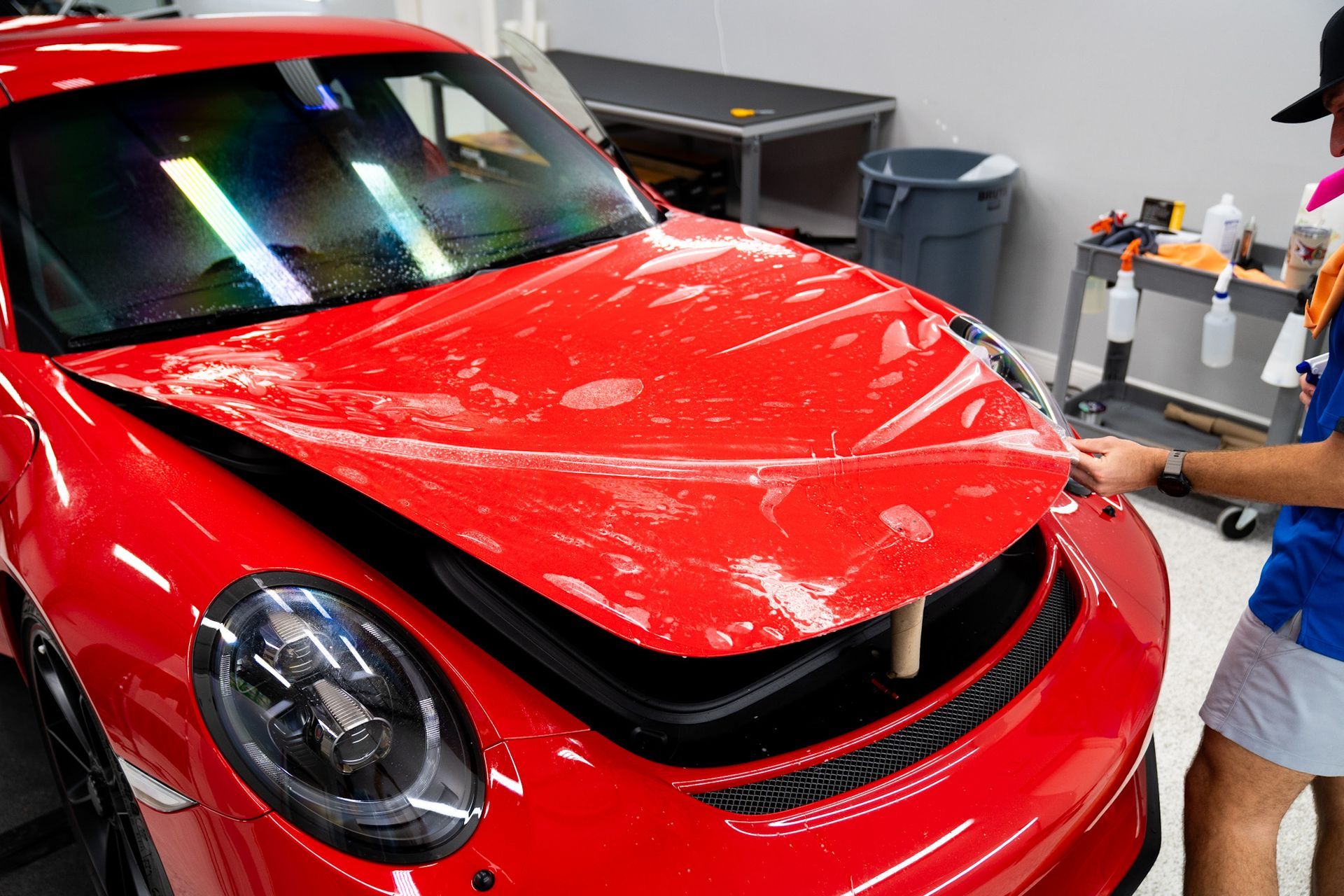
Paint protection film serves as an additional barrier between the vehicle’s paint and the outside environment. This protective layer helps absorb impacts from debris and reduces the likelihood of chips and minor scratches reaching the factory paint. By covering vulnerable areas of the vehicle, the film supports the durability of modern paint systems.
For drivers who want to preserve their vehicle’s finish, this added protection can make a significant difference. It allows the original paint to remain intact even when the vehicle encounters harsh driving conditions.
Added Defense Against Rock Chips and Road Debris
One of the primary benefits of paint protection film is its ability to absorb the impact of small rocks and debris. Instead of striking the paint directly, these particles hit the protective layer first. This reduces the chance of permanent damage to the factory finish.
Over time, this barrier can prevent the accumulation of small chips that often appear on unprotected vehicles. The film acts as a shield that helps preserve the smooth surface of the paint.
Protection From Abrasion and Surface Wear
Daily driving exposes vehicles to numerous sources of abrasion. Dust, sand, and minor contact with objects can gradually wear down the clear coat. Paint protection film helps reduce this type of damage by providing a durable surface that absorbs minor friction.
This added protection helps maintain the clarity and shine of the paint even after years of regular use. Drivers who prioritize long-term appearance often find that the film significantly reduces visible wear.
Preserving the Appearance of Modern Factory Paint
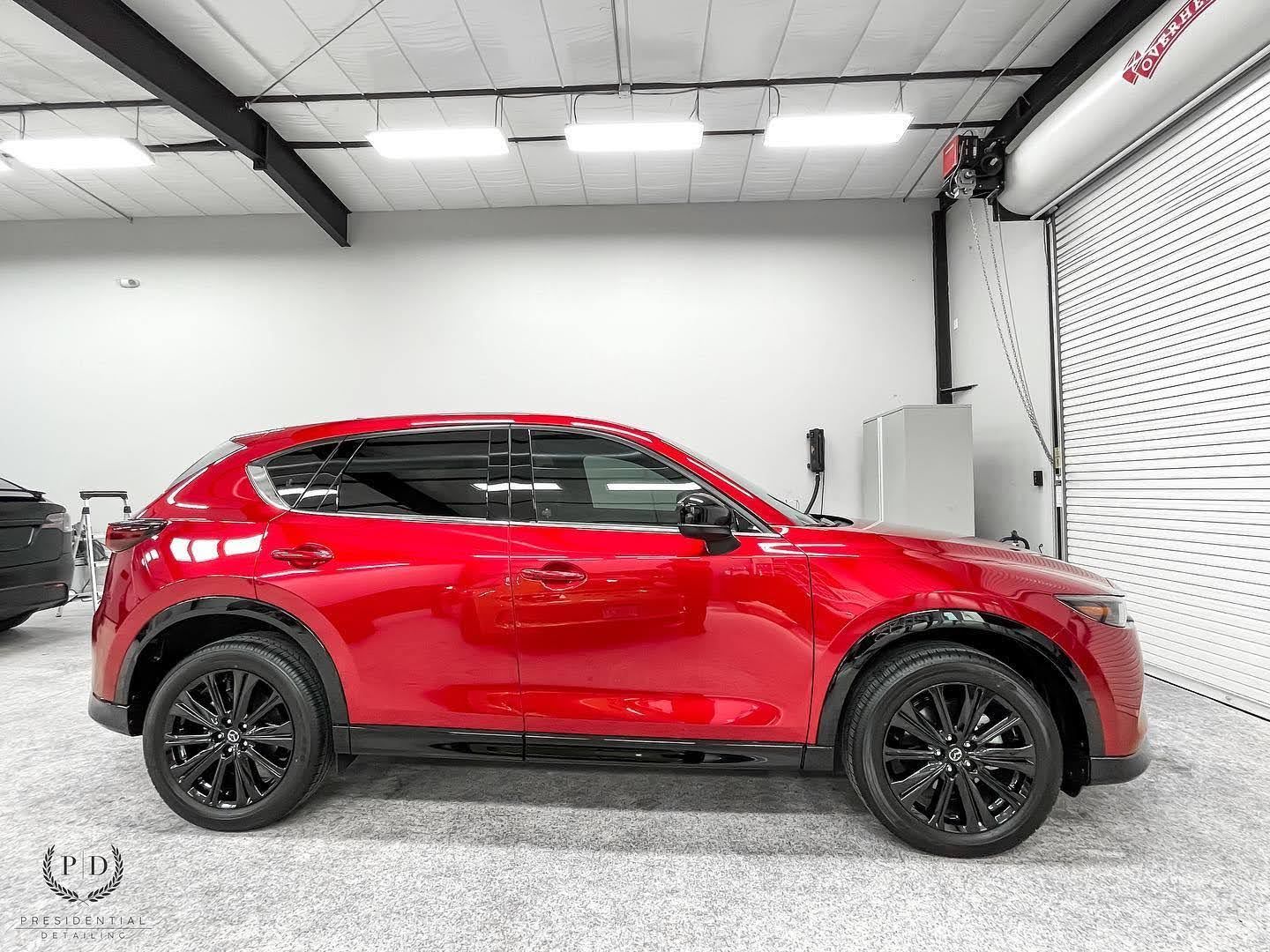
Beyond physical protection, paint protection film also helps maintain the visual quality of the paint finish. Modern automotive colors are designed to reflect light and provide a deep gloss, but chips and minor scratches can disrupt that appearance.
By protecting the surface from damage, the film allows the paint to retain its original clarity and depth. This contributes to a cleaner, more polished look that lasts longer.
Key Areas of Vehicles That Benefit Most From Film Protection
Certain parts of a vehicle experience far more exposure to debris and environmental hazards than others. These high-impact zones are usually located at the front of the vehicle or in areas that frequently come into contact with objects. Protecting these sections is often the most effective way to prevent paint damage.
When these vulnerable areas are protected with film, the rest of the vehicle’s paint is less likely to suffer from noticeable chips or minor scratches.
Front Bumper and Hood
The front bumper and hood are among the most exposed parts of any vehicle. As the car moves forward, these areas receive the majority of debris thrown up from the road. Even small stones can cause visible damage when they strike these surfaces at high speed.
Protecting these sections helps prevent the most common form of paint damage seen on modern vehicles.
Side Mirrors and Fenders
Side mirrors and fenders are also exposed to airborne debris carried by passing vehicles. Airflow around the car can direct particles toward these areas, making them more vulnerable than drivers might expect.
Adding protection to these sections helps maintain a consistent appearance across the entire vehicle.
Door Edges and High-Contact Areas
Door edges and areas around handles frequently experience contact from everyday use. Opening doors near walls or other vehicles can easily lead to minor scratches or small chips along the edges.
Protective film in these areas helps reduce the impact of repeated contact and keeps the paint looking cleaner for longer.
Why Tampa Drivers Are Investing in Modern Car Paint Protection
Drivers in Tampa face unique conditions that can accelerate paint wear. Coastal environments often carry fine sand and airborne particles that settle on vehicle surfaces. When combined with regular driving, these particles can cause gradual abrasion to the clear coat.
Road construction and heavy traffic also increase the presence of debris that may strike vehicles during daily commutes. Because of these factors, many vehicle owners in the area look for ways to protect their paint before visible damage occurs.
Professional services from Presidential Automotive Detailing provide modern car paint protection solutions designed for local driving conditions. Their expertise ensures that vehicles receive precise film installation that reinforces vulnerable paint surfaces.
Professional Film Installation for Long-Term Paint Durability in Tampa
Professional installation plays a crucial role in the effectiveness of paint protection film. A properly installed film must align perfectly with the contours of the vehicle while maintaining a smooth, invisible finish. Skilled installers ensure that the film covers key areas without affecting the appearance of the paint.
Presidential Automotive Detailing provides professional paint protection film services for drivers in Tampa who want reliable protection for their vehicles. Their installation process focuses on precision, surface preparation, and careful application so the film integrates seamlessly with the factory finish.
By combining advanced film materials with professional detailing expertise, they help vehicle owners preserve the durability and appearance of modern paint systems for years to come. This level of protection allows drivers to enjoy their vehicles while maintaining the quality of the original finish, even in challenging driving environments. If you want reliable modern car paint protection in Tampa, contact Presidential Automotive Detailing today to schedule a professional paint protection film service and keep your vehicle’s finish protected from everyday road damage.