Ceramic coating can make maintaining a vehicle in Tampa much easier by helping the exterior stay glossy, slick, and resistant to everyday contamination. However, even a professionally installed coating can gradually lose some of its original performance as the vehicle accumulates mileage and spends time exposed to Florida weather. The decline is not always sudden, which means vehicle owners may notice several small changes before realizing their protection is weakening. Understanding the signs that ceramic coating is wearing off can help Tampa drivers respond before the surface becomes increasingly difficult to maintain. Changes in water behavior, surface slickness, gloss, contamination buildup, and washing performance are some of the clearest indicators that it may be time to have the coating professionally evaluated.
Water No Longer Beads or Sheets Off Properly
One of the easiest ways to notice changing coating performance is to watch what happens when water reaches the paint. A properly performing ceramic coating creates a highly water-repellent surface, so rain and wash water should behave differently than they would on an untreated finish. As the surface becomes contaminated or the coating begins declining, that behavior can become noticeably weaker. Tampa's frequent rain and regular vehicle washing give owners plenty of opportunities to observe these changes, making water behavior one of the most practical signs to monitor.
Water Beads Become Larger and Flatter
When a coating is performing well, water commonly forms defined beads that move away from the surface easily. As performance begins to decrease, those beads may become wider, flatter, and less uniform across the vehicle. Instead of quickly gathering into distinct droplets, water may spread across portions of the paint. One isolated area does not necessarily mean the entire coating has failed, but widespread changes in water behavior can indicate that the surface needs maintenance, decontamination, or a professional inspection.
Water Remains on the Paint Longer
Another noticeable change occurs when water stops moving away from the paint as efficiently as it once did. After a Tampa rainstorm or routine hand wash, owners may see larger areas of water remaining across the hood, roof, or doors instead of running away easily. Slower water movement can increase the opportunity for mineral deposits and water spotting to develop as moisture dries in Florida's heat. When this change appears across several panels, it can be a useful indication that coating performance is no longer at its previous level.
Some Areas Lose Water Repellency Before Others
Ceramic coating does not always decline evenly across every part of a vehicle. Horizontal panels such as the hood and roof receive extensive sun exposure, while lower doors and rear panels regularly encounter road film, moisture, and grime. High-contact areas may also experience more frequent washing and drying. As a result, one section may show weak water repellency while another continues to bead effectively. Comparing different panels can help Tampa vehicle owners recognize localized performance changes before assuming that the entire coating needs to be replaced.
The Paint Surface Starts Holding More Contamination
Another common indication of declining ceramic coating performance is an increase in the amount of contamination that remains attached to the exterior. A professional ceramic coating installation helps create a smoother, easier-to-maintain surface, but environmental buildup can gradually interfere with that behavior. Tampa vehicles encounter pollen, road grime, insects, rainwater residue, dust, and other contaminants throughout normal driving. When these substances begin sticking more aggressively or returning shortly after washing, the coating may need professional maintenance before deciding whether reapplication is necessary.
Dirt Builds Up More Quickly
A coated vehicle can still get dirty, but maintaining it should generally be more manageable. When owners begin noticing that dust, road film, and grime seem to cling more stubbornly than before, surface performance may have changed. The vehicle may also begin looking dull or dirty sooner after being washed. This does not automatically mean the underlying coating has disappeared because accumulated contamination can sometimes mask its hydrophobic properties. A professional assessment can help determine whether the problem is surface buildup or actual deterioration of the protective layer.
Water Spots and Mineral Deposits Become More Noticeable
Tampa's combination of strong sunlight, rainfall, sprinkler exposure, and warm temperatures can make water deposits particularly noticeable on vehicle surfaces. When water remains on the paint and evaporates, minerals may be left behind, creating visible spotting. If those deposits begin appearing more frequently or become harder to remove during normal washing, the coating's easy-maintenance characteristics may be weakening. Leaving mineral buildup untreated can also interfere with water behavior, so proper cleaning and decontamination are important before judging the remaining condition of the coating.
Bugs, Bird Droppings, and Road Grime Become Harder to Remove
Florida driving can expose a vehicle to insects, bird droppings, road grime, and other organic contamination that should be removed promptly. One benefit of a slick-coated surface is that these substances can be easier to clean before they remain attached for long periods. If bug residue or other contamination begins requiring noticeably more effort to remove, the exterior may no longer have the same level of slickness it once provided. Increasing cleaning difficulty, particularly when combined with weaker water repellency, is a stronger sign that coating performance should be checked.
The Surface No Longer Feels as Slick
A noticeable reduction in surface slickness is another change drivers may experience as their coating ages or accumulates contamination. During careful washing and drying, the paint may begin feeling less smooth and more resistant than it did after professional installation. A rougher feeling does not always confirm coating failure because bonded contaminants can sit on top of otherwise functional protection. However, when reduced slickness appears alongside weak water behavior and increased dirt retention, it becomes more meaningful. Professional decontamination and inspection can help determine whether the surface simply needs maintenance or whether the coating itself has reached a stage where renewed protection should be considered.
Gloss and Paint Depth Begin to Fade
Ceramic coating is valued not only for easier maintenance but also for the deep, reflective finish it can help maintain. Over time, Tampa drivers may notice that the paint appears less vibrant, reflections look slightly muted, or the exterior does not maintain the same freshly detailed appearance after washing. Loss of gloss can have several causes, including contamination, improper washing, surface defects, and environmental exposure, so fading shine alone should not be treated as proof that a coating has completely failed. When declining gloss appears together with reduced slickness, weaker hydrophobic behavior, and harder cleaning, a professional coating inspection becomes a sensible next step.
Routine Washing Becomes More Difficult
One of the practical advantages of ceramic coating is the easier maintenance it can provide, so changes in wash behavior deserve attention. A vehicle that once released dirt quickly may begin requiring additional passes to remove road film or stubborn residue, while drying can take longer because water remains across larger sections of the paint. Vehicle owners may also notice that the finish does not look as clean immediately after the same washing routine they previously used. Increasing effort during routine maintenance is one of the most useful signs ceramic coating is wearing off, especially when the difference develops gradually across several months rather than immediately after a single dirty drive.
Certain Vehicle Panels Show Wear Faster Than Others
It is normal for coating performance to vary across different parts of a vehicle because every panel experiences a different type of exposure. The hood and roof regularly face direct Florida sunlight, while rocker panels and lower doors collect moisture, dirt, and road contamination. Rear panels can also accumulate heavier deposits depending on vehicle design and driving conditions. Areas that receive frequent physical contact or more aggressive cleaning may show changes earlier as well. Tampa drivers should therefore evaluate the vehicle as a collection of surfaces rather than expecting identical performance everywhere. Uneven deterioration can help a professional detailer identify whether localized maintenance or more extensive coating service is appropriate.
Tampa's Environment Can Affect Ceramic Coating Longevity
Tampa presents environmental conditions that make consistent exterior care especially important. Intense sunlight, high temperatures, humidity, frequent rain, insects, airborne contamination, and regular road exposure all affect how quickly a vehicle's surface becomes dirty. Vehicles that remain outside for extended periods generally face different conditions than those stored indoors or covered when not being driven. Ceramic coating can provide valuable protection and easier maintenance in Florida conditions, but it should not be considered maintenance-free. Keeping the exterior clean and addressing contamination before it remains on the surface for extended periods can help preserve the coating's water repellency, gloss, and overall performance for longer.
Maintenance Habits Can Speed Up or Slow Down Coating Wear
How a coated vehicle is maintained can make a significant difference in how well its protective characteristics are preserved. Regular hand washing using appropriate products helps prevent contaminants from accumulating and interfering with the surface. By comparison, aggressive washing methods, unsuitable chemicals, dirty towels, and repeated neglect can make the exterior harder to maintain and may reduce coating performance over time. Automatic car washes can also introduce harsh cleaning processes that are not ideal for maintaining professionally protected surfaces. Presidential Automotive Detailing recommends regular hand washing or professional detailing to maintain its ceramic coating packages, making ongoing care an important part of achieving lasting hydrophobic performance and gloss.
When Should You Schedule a Ceramic Coating Inspection?
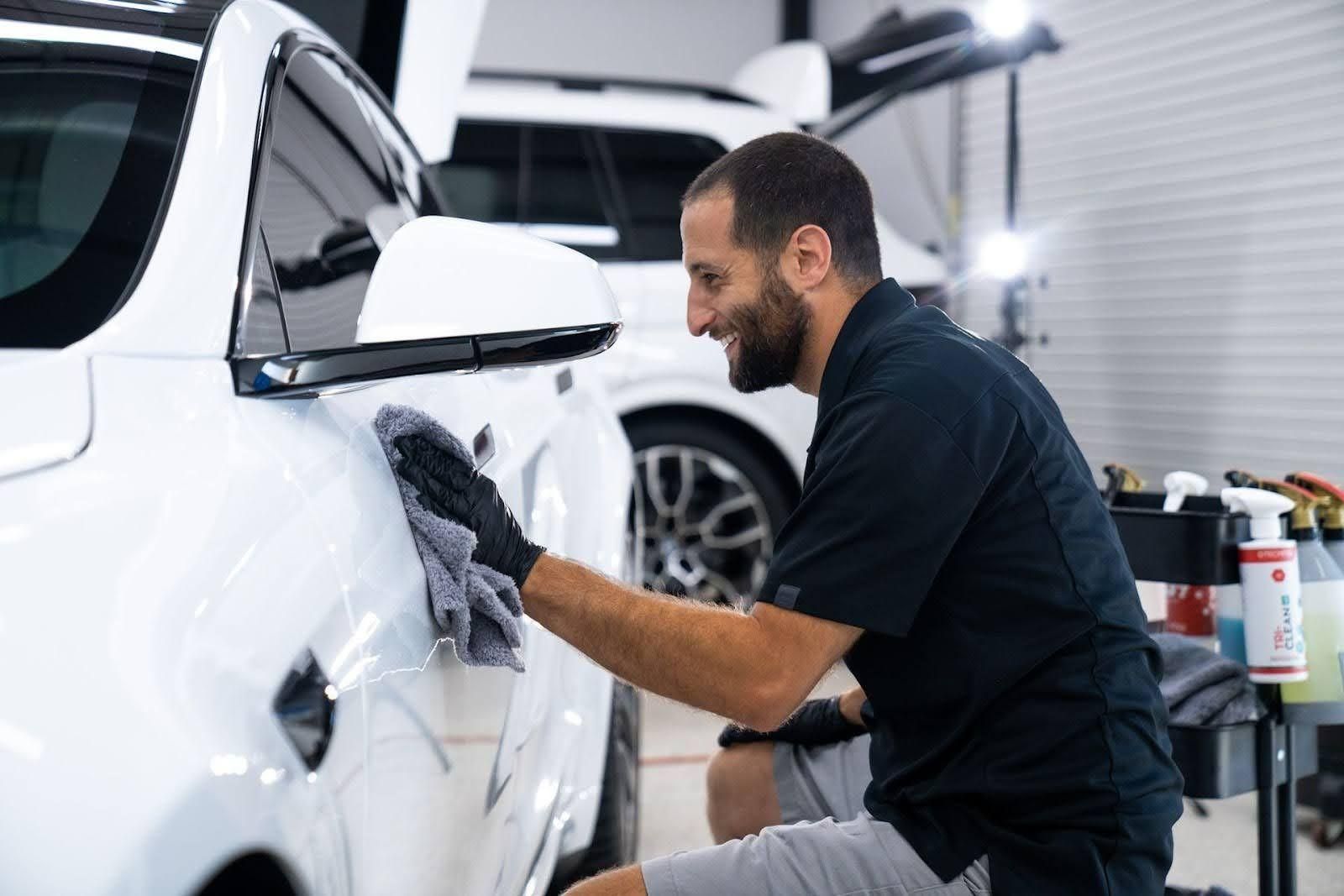
A professional inspection becomes worthwhile when several performance changes begin appearing at the same time. If water no longer moves effectively across multiple panels, the surface has lost noticeable slickness, dirt sticks more easily, gloss has declined, and normal washing requires considerably more effort, the coating deserves closer evaluation. Owners should also consider an inspection when they are unsure how the coating has been maintained or when the vehicle has experienced prolonged outdoor exposure in Tampa. A professional detailer can examine the surface condition and determine whether contamination is suppressing performance, maintenance can restore its characteristics, or the protective system is approaching the point where additional service is needed.
When Ceramic Coating Reapplication May Be Needed
Reapplication may become appropriate when professional cleaning and decontamination no longer restore the performance expected from the existing coating. Persistent loss of hydrophobic behavior, reduced gloss, weaker surface slickness, and consistently difficult cleaning can indicate that protection has reached the end of its effective service period. The timing will vary based on the coating system, maintenance routine, storage conditions, mileage, and environmental exposure rather than following one universal schedule. Presidential Automotive Detailing offers professional Gtechniq ceramic coating options for Tampa vehicles, allowing the condition of the paint and the owner's protection goals to be considered when determining an appropriate service approach.
Protect Your Vehicle's Finish in Tampa, FL
Recognizing the signs that ceramic coating is wearing off allows vehicle owners to address changes before exterior maintenance becomes increasingly frustrating. Reduced water beading, greater contamination buildup, fading slickness, declining gloss, and more difficult washing are among the most noticeable indicators, particularly when several appear together. Tampa's heat, sunlight, rain, insects, and everyday road exposure make proper maintenance especially important for coated vehicles. If the performance of your current protection has noticeably changed, Presidential Automotive Detailing can evaluate the surface and determine whether professional maintenance or ceramic coating reapplication is appropriate.
Scheduling an inspection can provide a clearer picture of the coating's condition and help keep your vehicle protected, glossy, and easier to maintain.