The Importance of Paint Porosity in Ceramic Coating Performance
In automotive surface protection, the microscopic condition of paint plays a decisive role in how protective layers perform over time, especially in demanding environments like Tampa, FL. One of the most overlooked factors is car paint porosity, which refers to the tiny surface openings and irregular structures present in clear coat layers. At Presidential Automotive Detailing, surface preparation is treated as the foundation of long-term coating success rather than a secondary step. This blog explores how these microscopic pores influence bonding, durability, and overall ceramic coating performance. It also explains why professional paint correction and preparation directly determine how well a coating bonds and how long it lasts.
Understanding Car Paint Porosity and Its Role in Surface Performance
Car paint is not completely smooth, even when it appears flawless to the eye, and this invisible texture plays a major role in coating behavior. The concept of car paint porosity explains how microscopic openings and surface inconsistencies exist across every painted panel. These structures influence how coatings interact with the surface and how evenly they spread. At Presidential Automotive Detailing, this natural paint behavior is carefully evaluated before any
ceramic coating installation
begins.
Microscopic Structure of Automotive Paint Surfaces
Automotive paint systems are composed of multiple layers that include primer, base coat, and clear coat, and each layer contains microscopic irregularities that form naturally during curing and environmental exposure. These tiny pores and uneven textures are not visible under normal lighting but become significant at a bonding level. When a ceramic coating is applied, it interacts directly with this structure, settling into microscopic openings and forming a mechanical grip. This interaction is why surface condition matters far more than appearance alone, especially in professional detailing environments.
Why Car Paint Porosity Matters for Coating Effectiveness
The presence of car paint porosity determines how uniformly a coating spreads and bonds across the surface. If the pores are uneven or contaminated, the coating may settle inconsistently, leading to weak spots in protection. Proper evaluation ensures that the surface is balanced enough to allow controlled absorption and adhesion. Without understanding porosity behavior, even high-quality coatings may fail to achieve their intended durability or gloss performance, making surface assessment a critical first step.
Bonding and Adhesion Behavior on Porous Paint Surfaces
Surface texture and microscopic structure heavily influence the bonding of ceramic coatings with paint. Porous paint surfaces allow coatings to anchor mechanically while also forming chemical bonds at a molecular level. At Presidential Automotive Detailing, this bonding process is carefully optimized to ensure maximum durability and long-term surface stability.
Mechanical Bonding at a Micro Level
When a ceramic coating is applied, it does not simply sit on top of the paint; it integrates into the microscopic pores and irregularities present on the surface. This creates a mechanical locking effect that strengthens adhesion and improves resistance to environmental stress. The better prepared the surface, the more uniform this bonding becomes. This is why professional detailing focuses heavily on refining paint texture before application, ensuring that every panel supports consistent coating attachment.
Surface Energy and Adhesion Strength
Surface energy plays a subtle but important role in how effectively coatings bond with paint. When contaminants or oxidation are present, they interfere with bonding by blocking access to pores. Proper correction and cleaning restore surface energy balance, allowing the coating to interact directly with the paint structure and form a stronger, more durable bond.
Risks of Poor Surface Evaluation Before Application
When surface porosity is not properly assessed, coatings may bond unevenly, leading to weak protection zones and premature degradation. Dirt, oxidation, or residue trapped in microscopic pores can prevent proper adhesion and create inconsistencies across the surface. This often results in reduced lifespan and uneven gloss levels. Proper evaluation ensures that every section of the paint is ready to receive a uniform and stable coating layer.
Surface Preparation and Paint Correction for Optimal Performance
Surface preparation is one of the most important stages in achieving reliable ceramic coating performance, especially when dealing with car paint porosity. At Presidential Automotive Detailing, this process is designed to remove contaminants, refine texture, and create a controlled surface ready for bonding. Without proper preparation, even advanced coatings cannot deliver full protection potential.
Deep Cleaning and Decontamination Process
Before any correction begins, the paint surface undergoes a deep cleaning process to remove embedded contaminants such as road film, tar, and industrial residue. These contaminants often settle into microscopic pores and interfere with coating adhesion. By thoroughly decontaminating the surface, the natural structure of the paint becomes visible and accessible for correction. This step ensures that no hidden barriers reduce bonding effectiveness during application.
Paint Correction for Surface Refinement
Paint correction focuses on leveling swirl marks and uneven textures that affect porosity behavior. By refining the surface, detailers create a more uniform structure that supports even coating distribution. This process reduces inconsistencies in how the coating interacts with different sections of the panel. A well-corrected surface allows ceramic coatings to perform at their highest potential, improving both durability and visual clarity.
Enhancing Gloss and Optical Clarity Through Surface Refinement
The smoothness and uniformity of the paint surface after preparation directly influence gloss and visual depth. Car paint porosity plays a hidden role in how light interacts with the surface, affecting reflection and clarity. At Presidential Automotive Detailing, achieving high optical performance is a result of precise surface correction and controlled coating application.
Light Reflection on Treated Surfaces
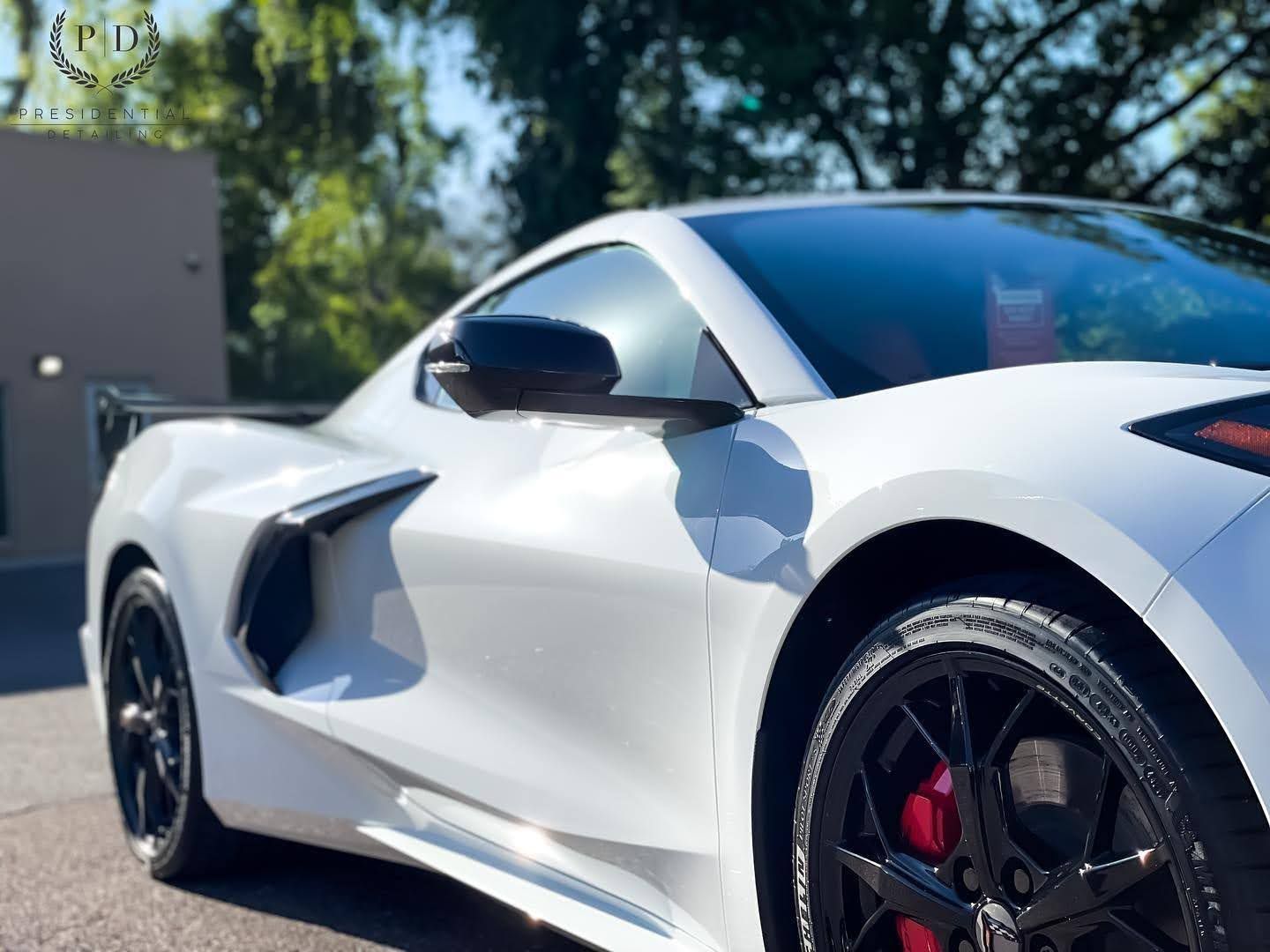
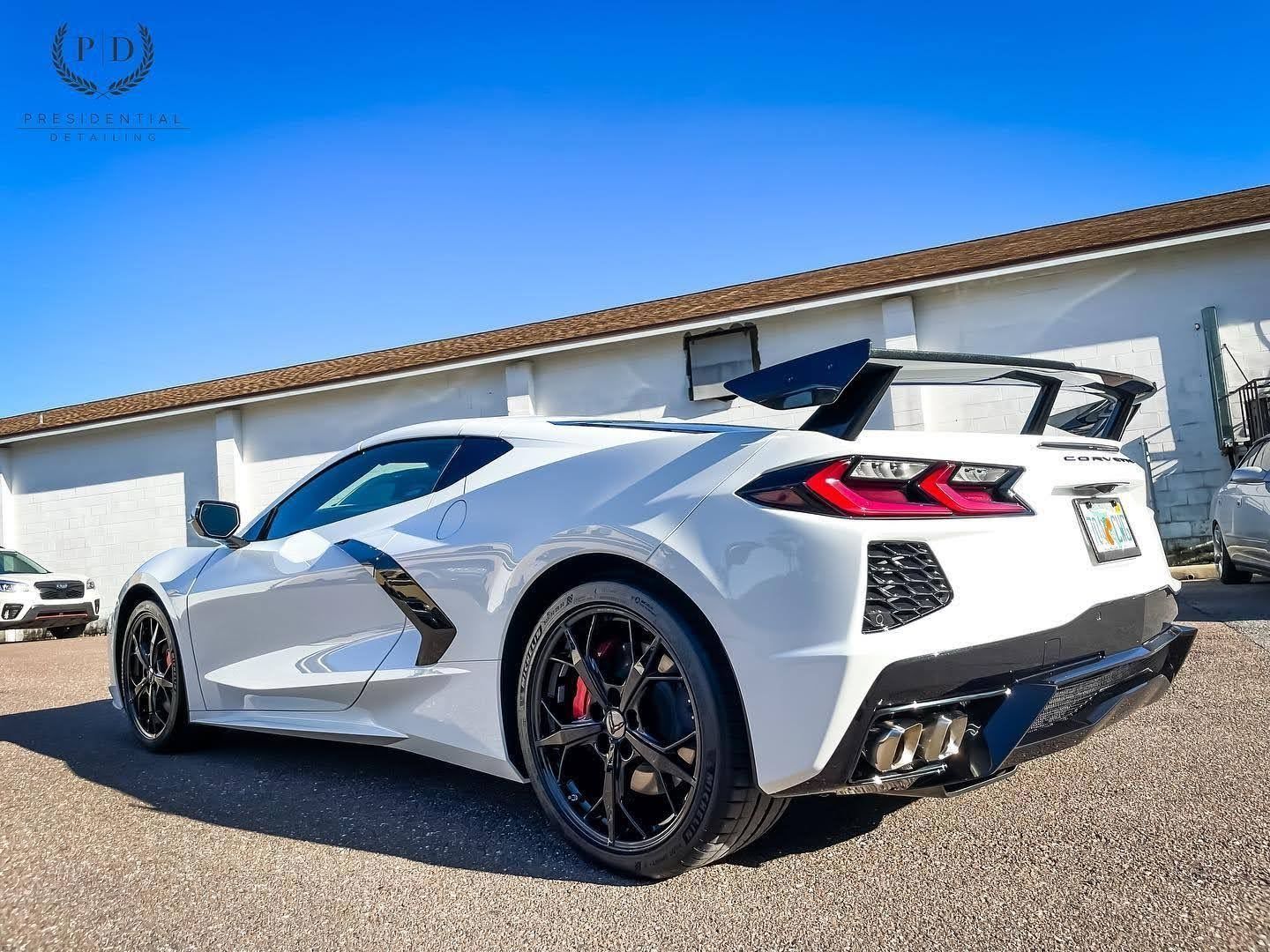
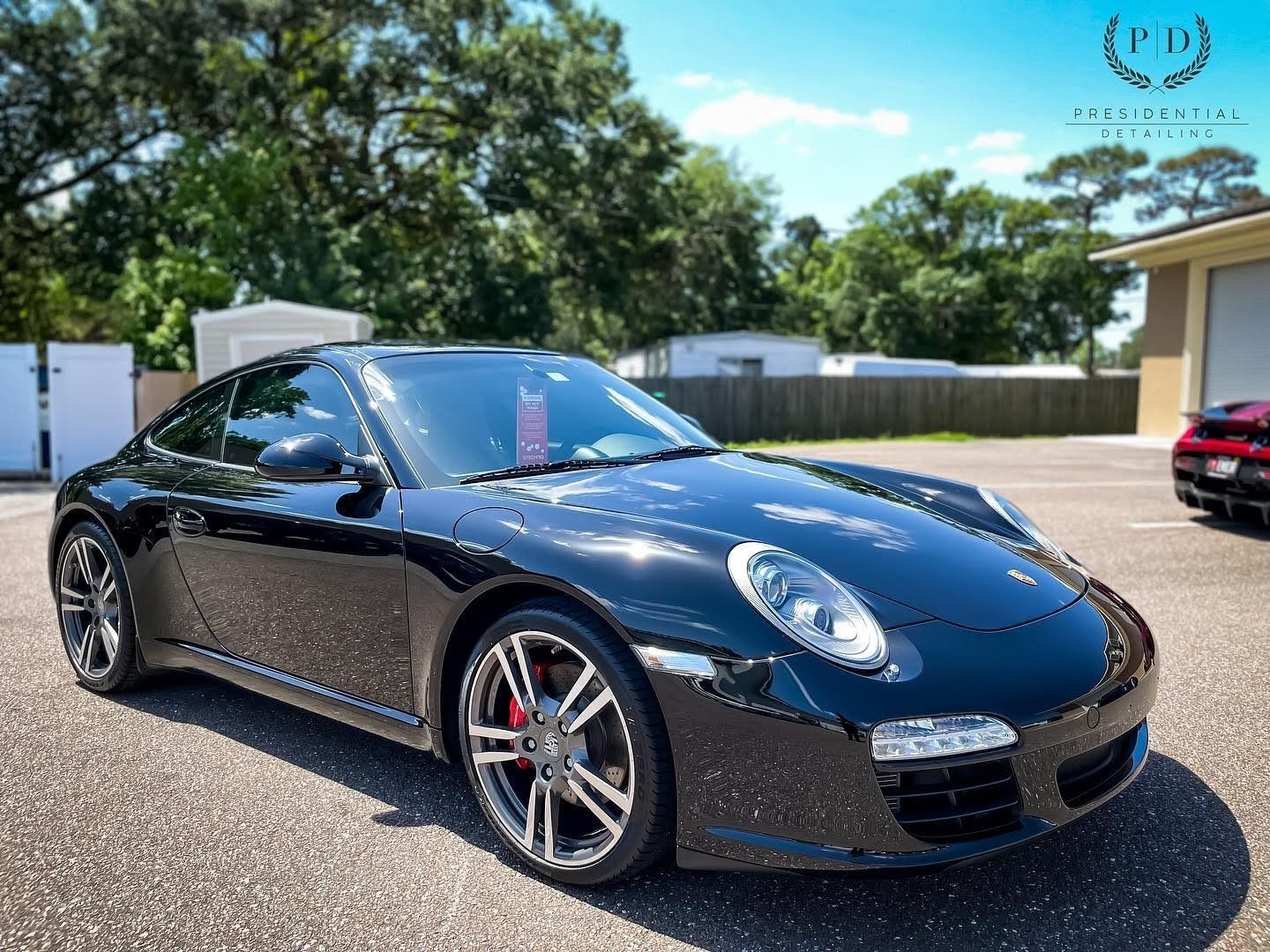
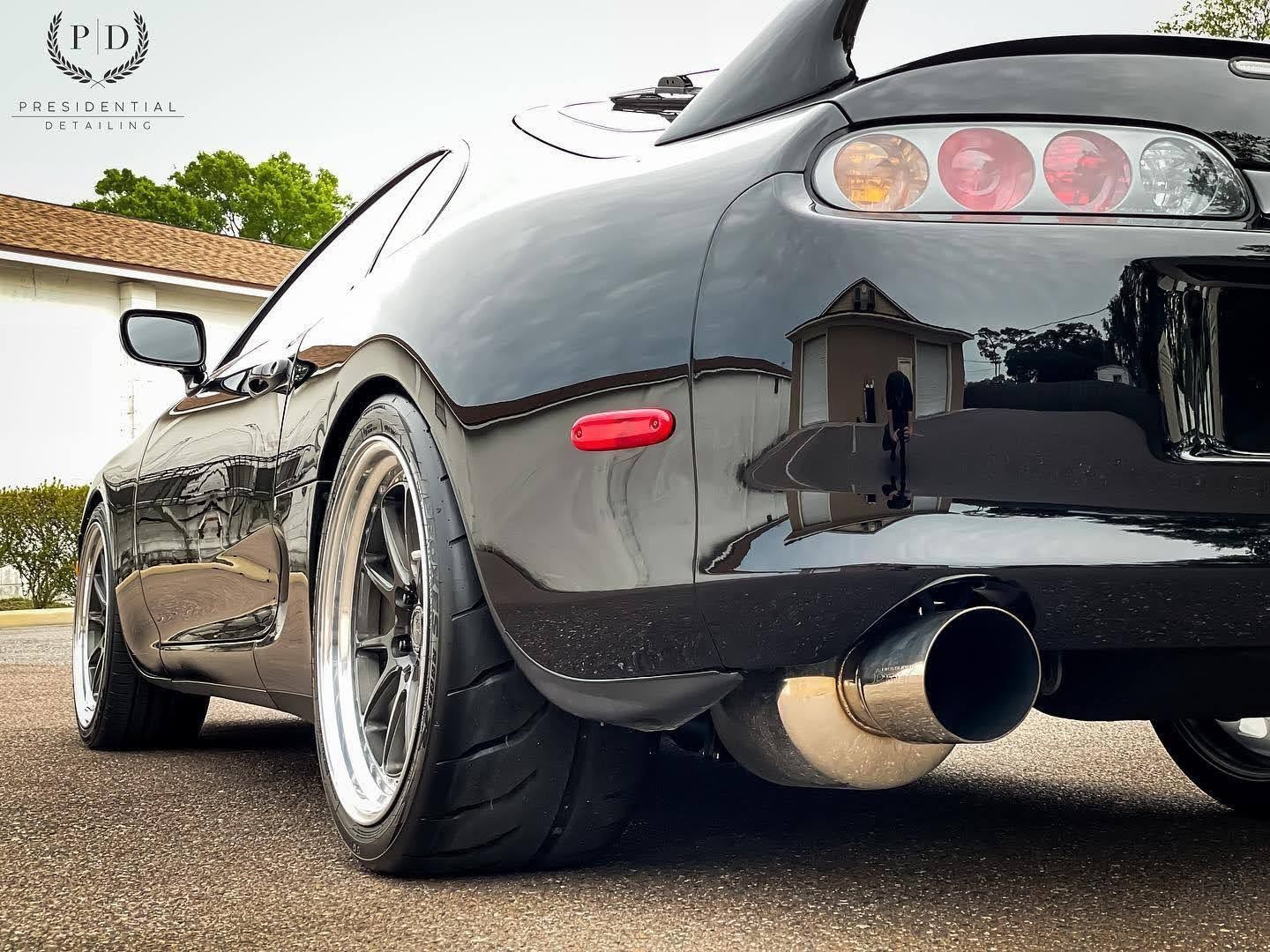
A porous or uneven surface scatters light in multiple directions, reducing clarity and dulling the finish. Once the surface is properly corrected and coated, light reflects more uniformly, creating a sharper and more defined appearance. This transformation is not just cosmetic but structural, as smoother surfaces allow light to travel consistently across the paint layer. The result is a deeper, more refined gloss that enhances overall vehicle aesthetics.
Depth and Visual Enhancement Effects
Reducing microscopic irregularities significantly enhances the visual depth of the paint. The coating amplifies this effect by creating a transparent protective layer that enhances color richness. This combination of refined paint and protective coating produces a premium finish that remains visually stable over time. The improved clarity is especially noticeable under direct sunlight conditions common in Tampa, FL.
Filling Micro-Irregularities and Long-Term Durability
Ceramic coatings play an important role in interacting with and stabilizing microscopic surface imperfections. The presence of car paint porosity allows coatings to fill and seal small voids, improving both protection and surface uniformity. Presidential Automotive Detailing optimizes this behavior through controlled application techniques.
Coating Interaction with Micro-Surface Voids
During application, ceramic coatings flow into microscopic pores and surface irregularities, creating a more uniform top layer. This filling effect helps stabilize the surface structure and reduces the impact of external contaminants. Once cured, the coating forms a protective barrier that reinforces the paint’s natural structure. This contributes to improved resistance against dirt, moisture, and chemical exposure.
Long-Term Surface Stability Benefits
By sealing micro-level imperfections, ceramic coatings help reduce long-term surface degradation. The protective layer minimizes exposure to environmental stress in porous areas, preventing oxidation and contamination buildup. Over time, this stability results in a more durable finish that maintains its gloss and protective properties for longer periods. Proper application guarantees the full realization of these benefits across all treated panels.
Tampa, FL, Environmental Impact on Paint Porosity and Durability
Environmental conditions in Tampa, FL, significantly influence how automotive paint ages and how coatings perform over time. Heat, humidity, and UV exposure all interact with car paint porosity, affecting both surface structure and durability. At
Presidential Automotive Detailing, these regional factors are carefully considered during preparation and application.
Heat, UV Exposure, and Humidity Effects
High temperatures and strong UV exposure can accelerate oxidation, causing paint surfaces to become more porous over time. Humidity also contributes to moisture retention within microscopic openings, increasing the risk of surface degradation. These combined factors make professional surface protection essential in coastal climates where environmental stress is consistently high.
Importance of Localized Detailing Approach
Because environmental conditions vary by region, detailing techniques must be adapted accordingly. In Tampa, FL, greater emphasis is placed on deep surface preparation and enhanced sealing methods. This ensures that coatings remain stable even under intense heat and humidity. A localized approach helps maximize long-term performance and surface resilience.
Professional Application, Maintenance, and Final Performance Insights
The success of any ceramic coating depends not only on the product itself but also on the precision of application and ongoing maintenance. Presidential Automotive Detailing employs professional expertise to ensure the accuracy of every stage, from preparation to final curing. This approach ensures proper management of car paint porosity, leading to optimal long-term results.
Professional Surface Evaluation and Application Accuracy
Experienced technicians evaluate paint condition before application to identify porosity levels and surface inconsistencies. This assessment guides the correction process and ensures uniform coating distribution across all panels. Precision application techniques help eliminate uneven bonding and ensure consistent protection. This professional control is essential for achieving reliable long-term performance.
Maintenance and Long-Term Protection Strategy
After application, maintaining the coating requires proper washing techniques and gentle care practices that preserve the sealed surface. Avoiding harsh abrasives and using safe cleaning methods helps maintain the integrity of the coating layer. With proper maintenance, the protective benefits remain stable over time, ensuring continued gloss, durability, and resistance against environmental exposure.
Final Insights on Surface Integrity and Coating Performance
The microscopic condition of the paint surface directly influences the overall effectiveness of ceramic coatings. Car paint porosity determines how well coatings bond, how evenly they perform, and how long they last under real-world conditions. Presidential Automotive Detailing optimizes this interaction through every step of preparation, correction, and application. For vehicle owners in Tampa, FL, we ensure that coatings deliver maximum protection, enhanced gloss, and long-term durability. For professional ceramic coating services and expert paint preparation in Tampa,
FL,
contact us today to schedule your appointment and protect your vehicle with long-lasting gloss and durability.