Can PPF Be Installed Over Repainted Vehicle Panels?
Many drivers in Tampa end up repainting a fender, bumper, or hood after an accident, a parking lot scrape, or years of harsh sun damage, and once the new finish looks perfect, the natural next step is protecting it. That is where the question of PPF over repainted panels comes up. The short answer is yes, but only when the paint has fully cured, bonded correctly to the layers beneath, and passed a professional inspection. At Presidential Automotive Detailing, we see this situation often, and in this guide we explain what makes repainted panels suitable, which precautions matter, and what can go wrong when the process is rushed.
Can You Apply Paint Protection Film Over Repainted Panels?
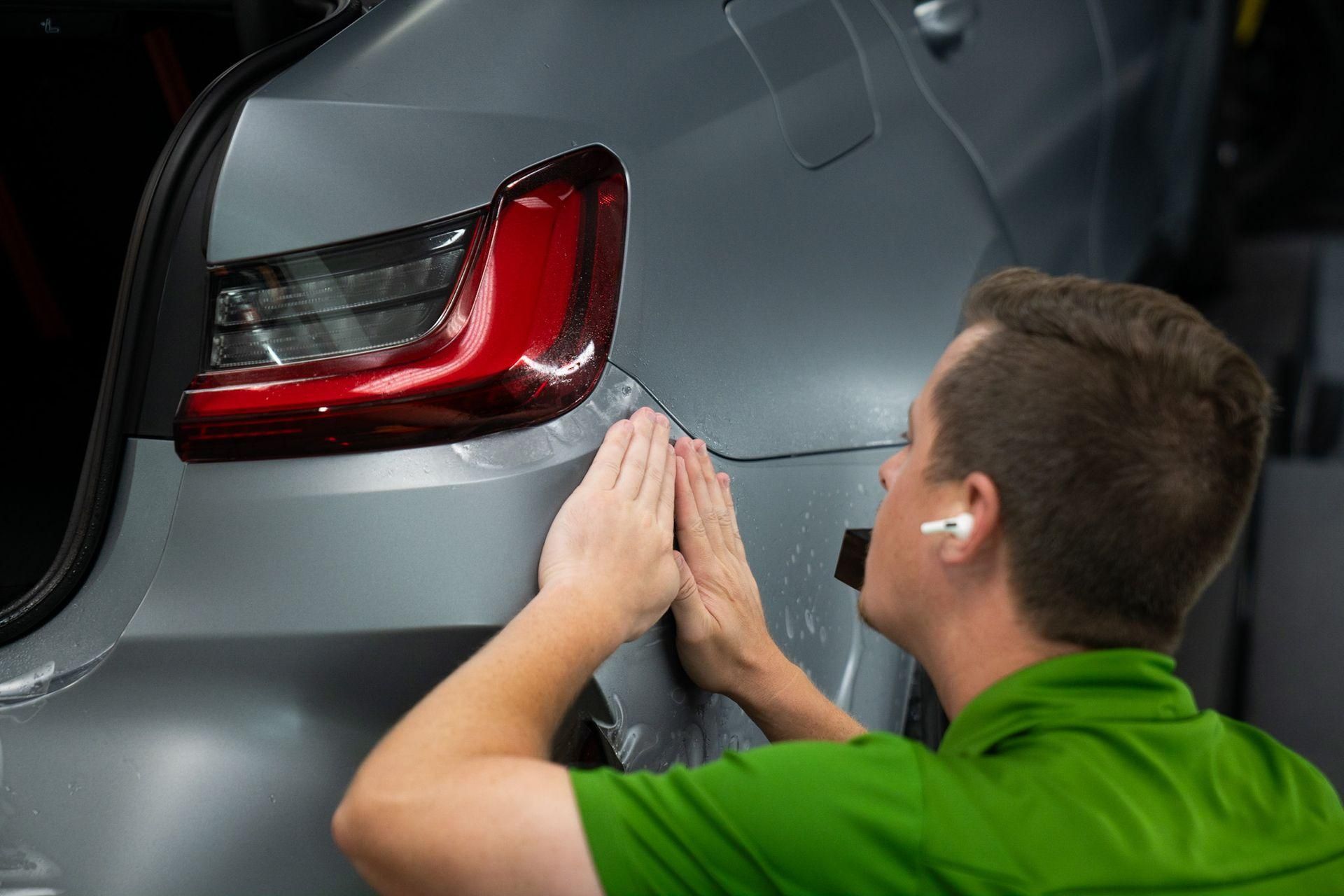
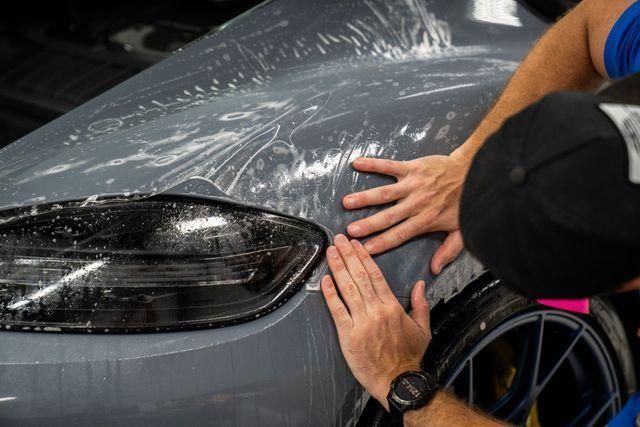
Yes, paint protection film can be applied over repainted panels as long as the conditions are right. Factory paint is baked at high temperatures in a controlled environment, while aftermarket paint is often cured at lower temperatures and can behave differently under film. That is why cure time, adhesion, and overall paint quality decide whether a repainted panel is truly ready. Tampa’s heat, humidity, and constant sun make protecting fresh paint even more valuable, since road debris, UV rays, and bug acids can dull a new finish quickly. When the paint is ready, film is an excellent way to preserve that repair.
Why Paint Curing Matters Before PPF Installation
Curing is the most important factor when planning PPF over repainted panels, because film seals the surface and changes how the paint releases moisture and solvents. A panel that looks perfect after a few days may still be chemically active underneath, and covering it too early can create problems that only appear later. Understanding how long curing takes, what outgassing does, and how local weather plays a role will help you schedule installation at the right moment instead of rushing it.
How Long Does Repainted Paint Need to Cure?
There is a big difference between paint that feels dry to the touch and paint that is fully cured, and many owners confuse the two. Surface drying can happen within hours, but the deeper layers of primer, base coat, and clear coat continue to harden for weeks, with the exact timeline depending on the paint system, the thickness applied, and whether the shop used heat to speed things up. Because these variables change from job to job, always confirm the cure timeline with your body shop before booking an installation appointment with us.
What Is Outgassing and Why Does It Matter?
Outgassing is the slow release of solvents and gases that remain trapped inside fresh paint as it hardens. When film is applied before this process finishes, those gases have nowhere to escape and collect beneath the adhesive layer, which leads to bubbling, lifting, or a hazy look across the panel. The frustrating part is that these problems often show up days or even weeks after installation, long after the vehicle has left the shop, which is why patience before installation is far cheaper than fixing a failed application later.
How Tampa’s Climate Affects Paint Curing
Florida weather has a real influence on how repainted panels cure, since high humidity can slow the release of moisture and solvents while intense heat can make the surface feel hard before the lower layers are ready. Where the vehicle is kept during this period also matters, because a garage offers steady conditions while outdoor parking exposes fresh paint to sun, rain, pollen, and bird droppings. Keeping the panel covered, parked in shade, and washed gently with no harsh products helps the finish settle properly before film goes on.
Surface Preparation Steps for Repainted Panels
Even perfectly cured paint will not hold film well if the surface beneath it is not properly prepared, and repainted panels often need extra attention compared to factory finishes. Our installers begin by decontaminating the area to remove wax, sealants, overspray, and leftover residue, then use clay treatment and careful cleaning to leave the paint smooth and chemically clean. Next, they inspect for dust nibs, orange peel, and small imperfections that could show through the film, and they prepare the edges and seams where lifting is most likely. Strong preparation directly affects adhesion, clarity, and how long the film lasts.
How Paint Quality Affects PPF Performance
The quality of the repaint has a major impact on how well film performs, because the adhesive can only be as secure as the paint it sits on. Materials, application technique, and clear coat thickness all influence whether a repainted panel can support film safely for years, and these details vary widely between shops. Knowing how to tell professional work from a budget respray, how to recognize warning signs of weak bonding, and why layer adhesion matters gives you a realistic picture of whether your repaired panel is a good candidate.
Professional Body Shop Paint vs. Low-Quality Respray
A reputable body shop uses quality primers, base coats, and clear coats, applies them in controlled conditions, and leaves enough clear coat thickness for the finish to last, while a low-cost respray may cut corners on preparation or materials. Those shortcuts often lead to weak adhesion, uneven texture, and paint that reacts poorly to film. Documentation from the body shop, including the products used and the cure schedule, helps our team judge whether the panel is suitable and gives you a useful record if questions come up later.
Signs of Poorly Bonded Paint
Poorly bonded paint usually gives clues before installation, and spotting them early can save you from a costly mistake. Peeling, flaking, or lifting clear coat is the most obvious warning, but cracking, small bubbles, or a rough, uneven texture can point to the same problem. Mismatched sheen compared to neighboring panels, along with visible edges where the repair meets original paint, may also suggest that the finish was not applied or cured correctly. If you notice any of these signs, the panel should be corrected before film is considered.
Why Primer and Clear Coat Bonding Matter
A repainted panel is made of several layers, including primer, base color, and clear coat, and each one must adhere firmly to the next for the finish to stay stable under film. If one layer is weak, the adhesive on the film can grip it more strongly than the paint grips the layer below, which risks pulling paint away when the film is eventually removed. This is why strong layer bonding matters so much, and why we examine repaired areas carefully before recommending protection.
Professional Inspection Before Installation
A trained installer should evaluate every repainted panel before any film touches the vehicle, because many issues cannot be seen by the average owner. At
Presidential Automotive Detailing, our inspection includes paint thickness gauge readings that reveal how much material was applied, along with visual and tactile checks for defects, cure condition, and adhesion. We also ask about the repair history, the paint materials used, and the date of the work. If anything looks uncertain, we may recommend waiting longer or correcting the paint first, and in rare cases we will decline the job to protect both the vehicle and your investment.
Risks of Installing PPF Too Soon or Over Poorly Bonded Paint
Applying film before paint is ready can turn a protective upgrade into an expensive problem. Trapped solvents may cause bubbling and a cloudy or hazy appearance, while weak paint can lift or tear away during removal, leaving adhesive residue and surface damage behind. A rushed paint protection film installation can also shorten the lifespan of the film, affect warranty coverage, and lead to additional costs if the panel needs to be repainted and protected again. Waiting until the paint is fully cured and professionally inspected is the safer approach.
Precautions to Take Before Protecting a Repainted Panel
A few simple steps can make the difference between a smooth installation and a disappointing one. Start by getting the cure time confirmed in writing from your body shop, avoid waxes, sealants, and aggressive washing while the paint settles, and keep all repair and paint records in one place for reference. Schedule an inspection before booking installation, choose an installer who has experience with repainted surfaces, and discuss whether partial coverage or full panel coverage makes more sense on newly repaired areas. These precautions give your fresh finish the best chance of lasting.
Final Thoughts on PPF Over Repainted Panels
PPF over repainted panels can be a smart way to protect your investment, but success depends on cured paint, solid adhesion, and a professional evaluation before installation begins. Patience is the key, since waiting a little longer and inspecting carefully costs far less than correcting a failed application. If you are in Tampa, FL, and have a repaired panel you want to protect, visit the Presidential Automotive Detailing paint protection film page or
contact us to our team, and we will help you choose the right time and approach.