How Soon Can You Wash Your Car After Ceramic Coating?
You have just picked up your vehicle with a fresh layer of protection, and the paint looks deeper and glossier than it has in years. It is natural to want to keep it spotless, but the urge to wash the car after ceramic coating installation is exactly where many owners go wrong. The general rule is to wait about seven days before the first wash, although the exact window depends on the product and your installer’s instructions. In this guide from Presidential Automotive Detailing, we explain how curing works, why early exposure to water and cleaning products is a problem, and how to wash safely once the coating has fully set. By the end, you will know exactly what to do to keep your finish slick and durable in Tampa’s demanding climate.
How Long Should You Wait to Wash Your Car After Ceramic Coating?
Most professional ceramic coatings need at least seven days before the first wash, and some premium formulas ask for up to two weeks. During that time, the coating is still bonding to the clear coat, so even gentle contact with soap or water can interfere with the process. The right timeline always depends on the specific product used and the aftercare sheet your installer gives you at pickup. In Tampa, heat and humidity can slightly change how quickly a coating sets, which is why following your installer’s guidance matters more than any generic number you read online.
Understanding the Ceramic Coating Curing Process
Curing is the chemical process that turns a liquid coating into a hard, durable shell on your paint. Knowing what happens at each stage makes the waiting period much easier to respect, because you can see exactly why patience protects your investment.
What Happens During the First 24-48 Hours
During the first day or two, the coating begins bonding to the paint surface and is at its most vulnerable. Moisture, dust, and airborne debris can settle into the layer before it hardens, leaving marks that are difficult to remove later. This is why professional installers recommend keeping the vehicle in a garage or covered area whenever possible. If your car must stay outside, parking it under a carport or a shaded structure is far better than leaving it exposed to open sky and unpredictable weather.
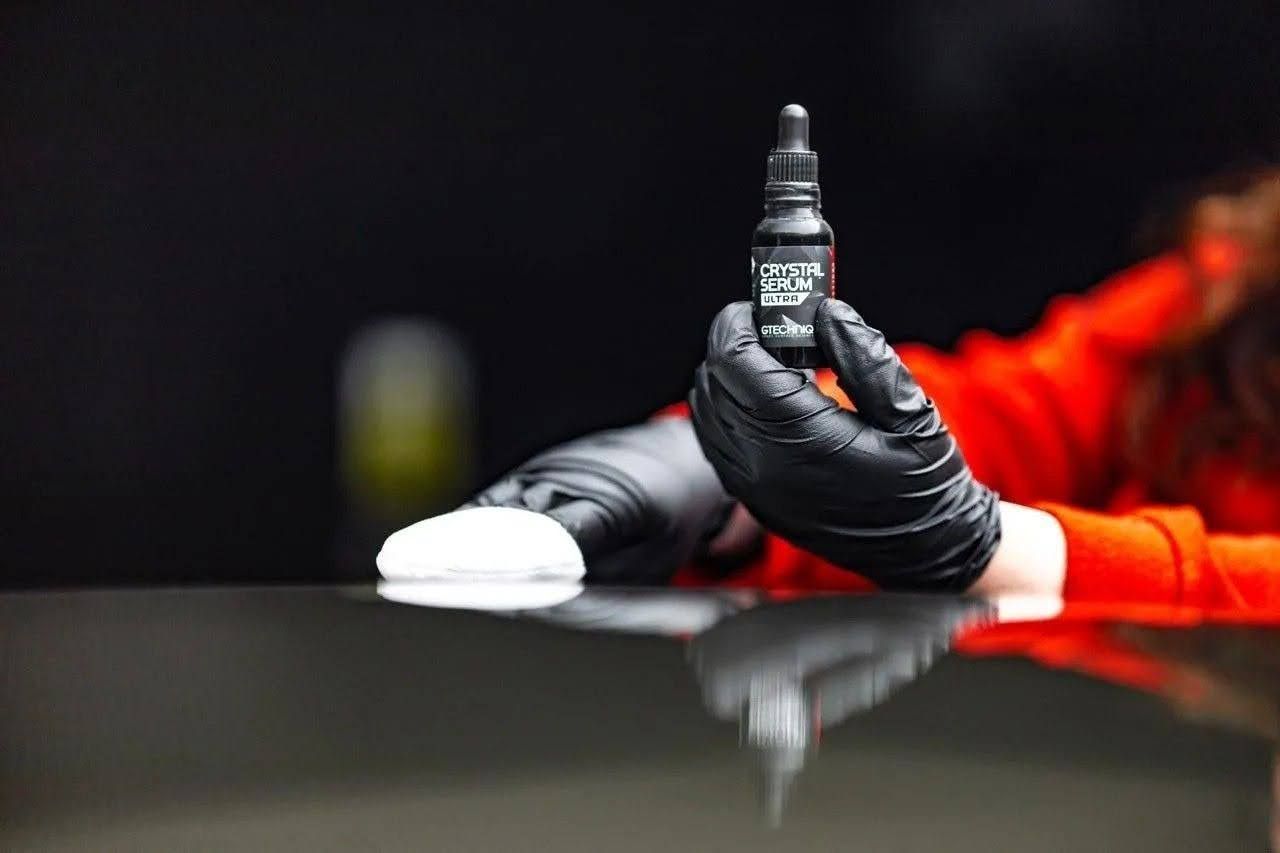
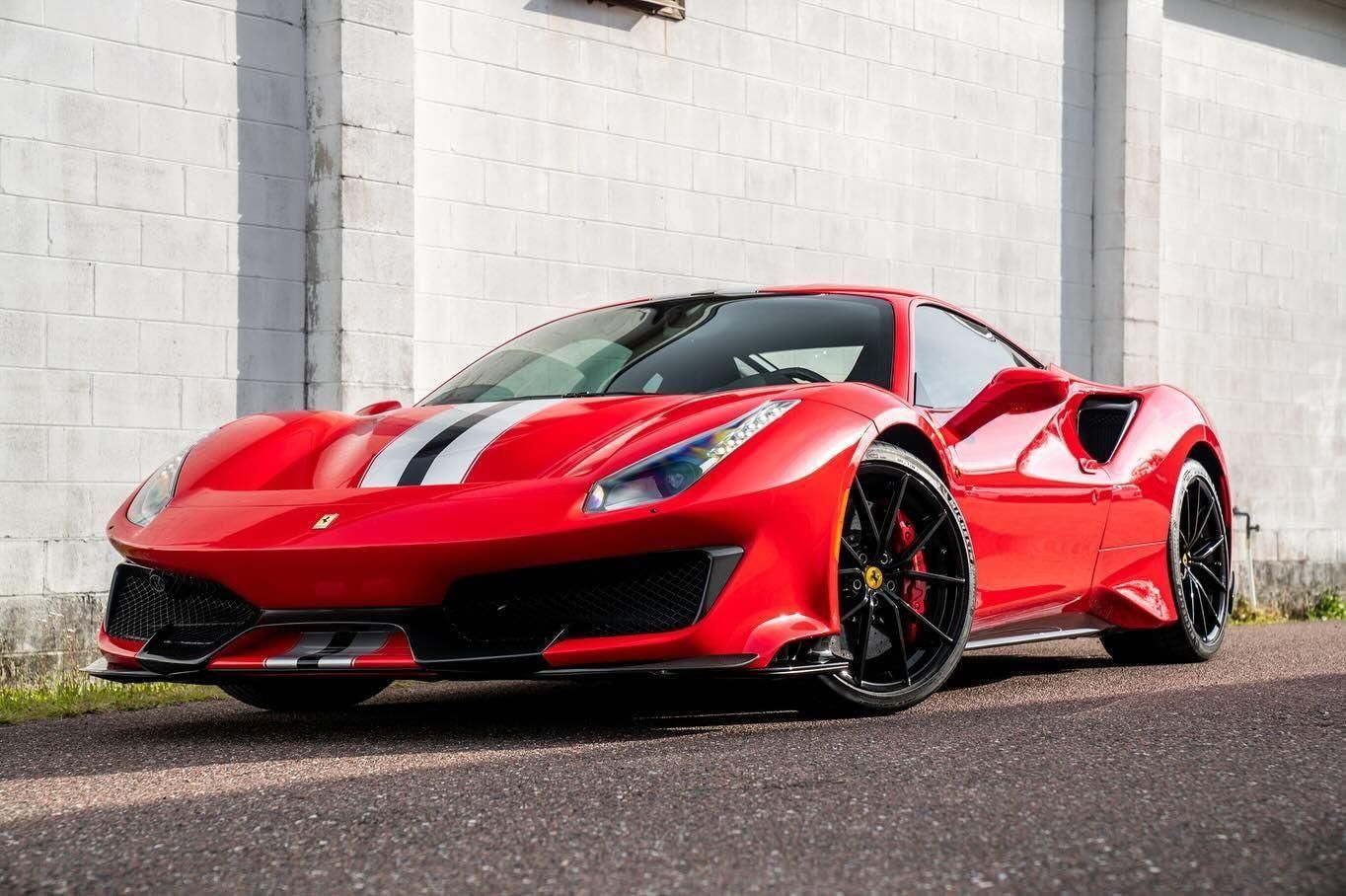
Full Curing Timeline (Days 3-30)
After the first two days, the surface may feel dry and smooth to the touch, but the coating is still hardening beneath the surface. This phase runs from roughly day three through week four, and the full chemical cure can take up to a month depending on the formula used. During this stretch, the coating gains its final hardness, its water-repelling behavior, and its resistance to chemicals and contaminants. Treating the car gently throughout this period gives the coating the best possible chance to reach its full strength.
How Florida Weather Affects Curing
Tampa’s climate adds a few wrinkles to the curing process that owners in other regions rarely face. High humidity can slow the way some coatings cure, while intense afternoon heat can speed up surface drying before the layer has fully settled. Sudden summer rain showers are another concern, since raindrops can dry into mineral spots on a coating that has not hardened yet. Checking the forecast and keeping your car covered during the cure window is a simple way to avoid these local surprises.
Why You Should Limit Water and Cleaning Products Early On
Early exposure to water and cleaning products can disrupt a coating that has not finished bonding to the paint. Tap water carries minerals that can dry into spots and settle into the unfinished layer, which is a real concern in Florida where water can be fairly hard. Soaps, degreasers, and other chemicals may interfere with the bonding process or leave a residue that affects clarity and gloss. High-pressure hoses and automatic washes add physical force that can disturb the coating before it has hardened, which is why limiting contact during the early stage is so important.
What Can Go Wrong If You Wash Too Soon
Washing too early can cause water spotting and etching that sit within the coating instead of on top of it, and these marks can be stubborn to correct. You may also notice streaking or an uneven finish where the product did not set evenly across the panel. Over time, the coating can lose some of its hydrophobic performance, meaning water stops beading and sheeting the way it should. A weakened layer also tends to wear out sooner, which can lead to costly paint correction or reapplication that could have been avoided with a little patience.
What to Do If Your Car Gets Wet or Dirty During the Curing Period
Life happens, and your car will probably meet some rain or a stray bird before the cure is finished. If it rains, let the water dry naturally and avoid wiping the panels, since wiping can drag minerals and grit across the surface. Bird droppings and bug splatter are more urgent because they are acidic, so contact your installer for advice as soon as you spot them. In Tampa, lovebugs, pollen, and salty coastal air are common hazards, and gentle removal with a clean microfiber towel and an approved spray is usually acceptable only when your installer says it is safe.
Best Washing Method (Two-Bucket Hand Wash)
The two-bucket hand wash is the safest approach for a coated vehicle. Fill one bucket with soapy water and another with clean rinse water, then rinse the car gently to loosen surface dirt. Work from the roof downward using a soft microfiber mitt, dunking the mitt in the clean bucket after each panel so grit never returns to the paint. Finish by drying with a plush microfiber drying towel, which prevents water spots and keeps the surface slick and glossy.
Choosing the Right Soap and Products
Choose a pH-neutral shampoo designed for coated vehicles, because it cleans effectively without stripping or dulling the coating. Harsh detergents, wax-based soaps, and abrasive polishes should be avoided since they can leave a film that hides the coating’s hydrophobic effect or wear it down over time. A quality maintenance spray used occasionally can refresh gloss and slickness between washes. If you are unsure which products suit your specific coating, our team at Presidential Automotive Detailing is happy to recommend trusted options.
Ideal Wash Frequency in Tampa’s Climate
In Tampa’s climate, washing your coated car every one to two weeks keeps contaminants from bonding to the surface. Extra washes make sense after beach trips, heavy rain, or lovebug season, when salt, insects, and acidic residue can build up quickly. Frequent gentle washing is actually better for a coating than letting dirt sit for weeks at a time. Consistency matters more than intensity, and a quick routine wash is all most coated vehicles need to stay looking sharp.
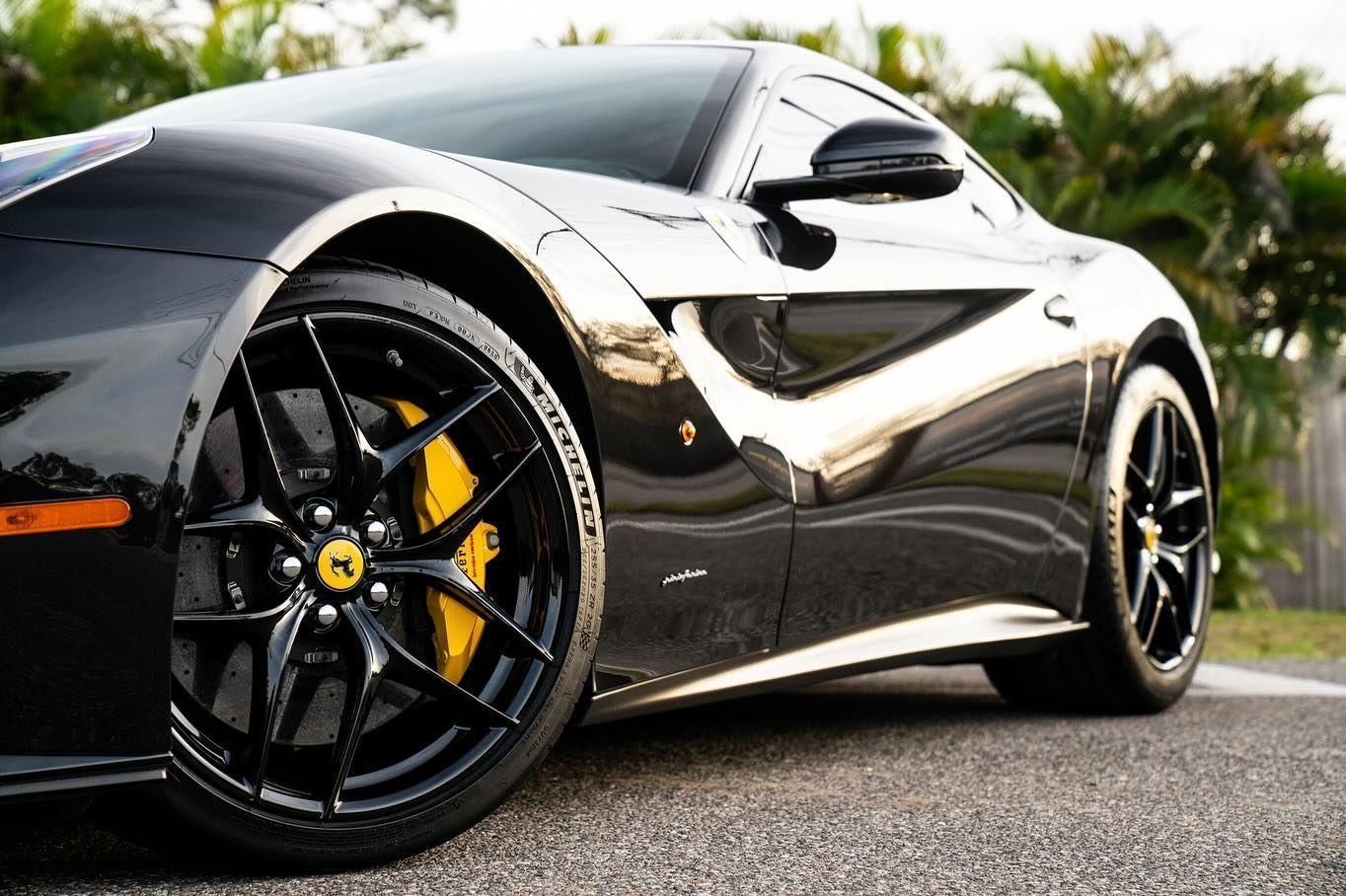
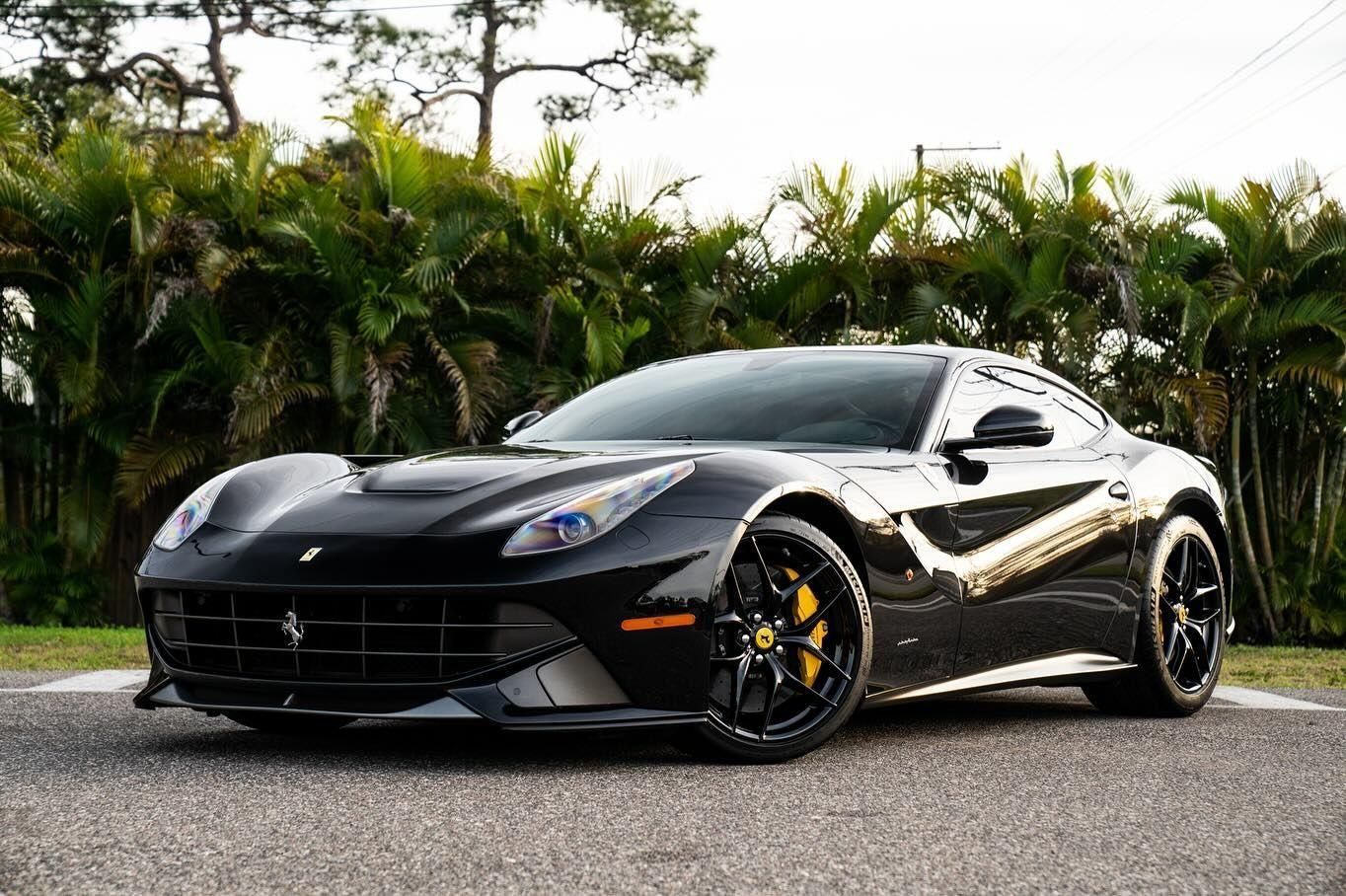
Washing Mistakes to Avoid After Ceramic Coating
Even after the cure is complete, some habits can quietly damage a coating and shorten its life. Automatic car washes with spinning brushes can leave swirl marks and wear down the protective layer over time. Washing in direct Florida sunlight causes soap and water to dry too fast, which creates spots and streaks that are annoying to remove. Dirty or low-quality towels can scratch the surface, and skipping the drying step lets mineral deposits form on the paint. Avoiding these common errors keeps your finish glossy and your coating performing the way it was designed to.
Maintenance Tips to Keep Your Coating Performing Longer
A little ongoing care goes a long way toward helping a coating last for years. Periodic maintenance sprays or boosters can restore slickness and add a fresh layer of protection between washes. Scheduled inspections let a professional spot early wear before it turns into a larger and more expensive issue. Whenever possible, park in a garage or shaded spot to reduce UV exposure and heat, which are constant stressors for vehicles in Florida. These small habits protect your coating and help the finish look new for far longer.
Get Professional Ceramic Coating Care in Tampa, FL
If you want expert help, Presidential Automotive Detailing offers professional ceramic coating services in Tampa, FL, along with clear aftercare support so you know exactly how to treat your vehicle. Our team explains the curing timeline for the product we apply, answers your washing questions, and stays available whenever you need guidance. Whether you are preparing for your first wash or planning a maintenance visit, we are glad to help you protect your investment. Contact us today for a quote or for personalized aftercare advice.
Keep Your Ceramic Coating Performing Longer
Knowing how to wash a car after ceramic coating is simple once you understand the process: wait the recommended period, let the coating cure fully, and then wash gently with the right products. Patience during the first week protects the hardness, gloss, and water-repelling performance you paid for. With a careful two-bucket routine and sensible maintenance, your coating can stay strong for years in Florida’s harsh conditions. For professional ceramic coating application and expert aftercare guidance,
contact us
at Presidential Automotive Detailing today.