What Causes Paint Protection Film to Lose Clarity Over Time?
A vehicle wrapped in paint protection film is expected to keep that glass-like, showroom shine for years, yet many owners in Tampa eventually notice a change in the way their film looks. What was once perfectly clear can start to appear slightly hazy, yellowed, or uneven under direct sunlight. These PPF clarity issues do not usually happen overnight, and they are rarely caused by a single factor. Instead, they build up gradually through a combination of environmental exposure, washing habits, film quality, and everyday maintenance choices. At Presidential Automotive Detailing, we work with vehicle owners across Tampa who want to understand exactly why this happens and, more importantly, how it can be prevented through proper care and professional installation.
How Environmental Contamination Affects PPF Clarity
Tampa's outdoor environment exposes vehicles to a constant stream of contaminants that settle on the film's surface throughout the day. Because paint protection film is designed to absorb impact and shield the paint underneath, it also becomes the first point of contact for everything the air and road throw at it. Over time, these contaminants do not simply sit on top of the film; many of them begin to interact chemically with the surface, which is one of the leading contributors to PPF clarity issues in warm, humid climates like Florida.


Bird Droppings and Bug Splatter
Bird droppings and insect residue are far more damaging to film clarity than most drivers realize, largely because of their acidic composition. When these contaminants are left on the film under Tampa's hot sun, the heat accelerates the chemical reaction between the acid and the film's clear coat. What starts as a small, easily wiped stain can quickly etch itself into the surface, leaving a permanent mark that no amount of washing can fully remove once it has set in.
Road Grime and Dirt Buildup
Daily driving exposes the film to fine particles of dirt, dust, and road debris that settle into the microscopic texture of the surface. As this grime accumulates layer by layer, it begins to dull the natural gloss of the film, making it look slightly cloudy even when the vehicle appears clean at first glance. Tampa's combination of humidity and frequent rain showers can also cause this grime to bind more tightly to the film, making regular removal even more important to maintaining a crisp, clear finish.
Industrial Fallout and Airborne Pollutants
Beyond everyday dirt, vehicles are also exposed to airborne pollutants such as tree sap, pollen, and industrial fallout, all of which are common throughout Tampa's neighborhoods and coastal areas. These substances tend to be sticky or resinous, which means they cling to the film's surface far longer than ordinary dust. Left unaddressed, this buildup gradually discolors the film and creates uneven patches of clarity that become increasingly noticeable as the film ages.
Improper Washing Techniques That Dull PPF
The way a vehicle is washed plays a much bigger role in film clarity than most owners expect, and improper techniques are one of the most preventable causes of PPF clarity issues. Harsh chemical cleaners, abrasive sponges, and automatic car washes with rotating brushes can all introduce fine scratches into the film's surface, and these micro-scratches scatter light rather than reflecting it cleanly. Over time, this creates a dull, swirled appearance that is often mistaken for aging film when it is actually the result of repeated washing damage.
Prolonged Sun Exposure and UV Damage
Tampa's intense sunshine is one of the most demanding environments for paint protection film anywhere in the country, and prolonged UV exposure is a major driver of long-term clarity loss. Film manufacturers build UV resistance into their products, but even the best films are not entirely immune to years of direct sun, especially on vehicles that spend long hours parked outdoors without any shade. Understanding how sunlight affects the film at a deeper level helps explain why clarity issues tend to appear gradually rather than all at once.
UV-Induced Yellowing
Constant exposure to ultraviolet rays slowly breaks down the polymer structure within the film, and this breakdown is what causes the yellowing effect many owners eventually notice. Because the change happens so gradually, it is often difficult to see day to day, but comparing an older section of film to a newer panel or a recently repaired area makes the yellowing much more obvious. Vehicles parked outdoors in Tampa for extended periods are particularly susceptible to this kind of UV-driven discoloration.
Oxidation of the Film Surface
Heat and UV rays working together can cause the top clear coat layer of the film to oxidize over time, which strips away the smooth, reflective finish that gives PPF its glass-like appearance. Once oxidation begins, the surface starts to look hazy or chalky rather than sharp and glossy, and this effect tends to be most visible on horizontal panels like the hood and roof that receive the most direct sunlight. Regular protective maintenance can slow this process considerably, but without it, oxidation steadily worsens year after year.
Adhesive Breakdown from Heat
Extreme heat not only affects the visible surface of the film; it can also weaken the adhesive layer bonding the film to the paint underneath. When this adhesive begins to break down, small bubbles or areas of lifting can form, and these imperfections distort the way light passes through the film, creating patches that look less clear than the surrounding surface. In Tampa's climate, where dashboard and hood surface temperatures can climb significantly during summer months, this type of heat-related adhesive stress is a real concern for vehicles without proper film care.
Low-Quality Film and Its Impact on Clarity
Not all paint protection film is manufactured to the same standard, and the quality of the film itself has a direct impact on how well it resists clarity issues over time. Budget films often lack the advanced UV inhibitors and self-healing top coats found in premium products, which means they are far more prone to yellowing, hazing, and staining within just a few years of installation. Choosing a reputable, high-quality film brand from the start is one of the simplest ways to avoid many of the clarity problems that lower-grade materials are known to develop.
Poor Maintenance Habits That Accelerate Clarity Loss
Even high-quality film requires consistent care, and neglecting routine maintenance is one of the fastest ways to accelerate PPF clarity issues. Skipping regular washes allows contaminants to sit on the surface far longer than they should, giving stains and residue more time to bond with the film. Using cleaning products that are not formulated for PPF can also strip away protective coatings or leave behind residues that dull the finish, which is why owners who want lasting clarity need to treat film maintenance as an ongoing responsibility rather than an occasional task.
Why Professional Installation Matters for Long-Term Clarity
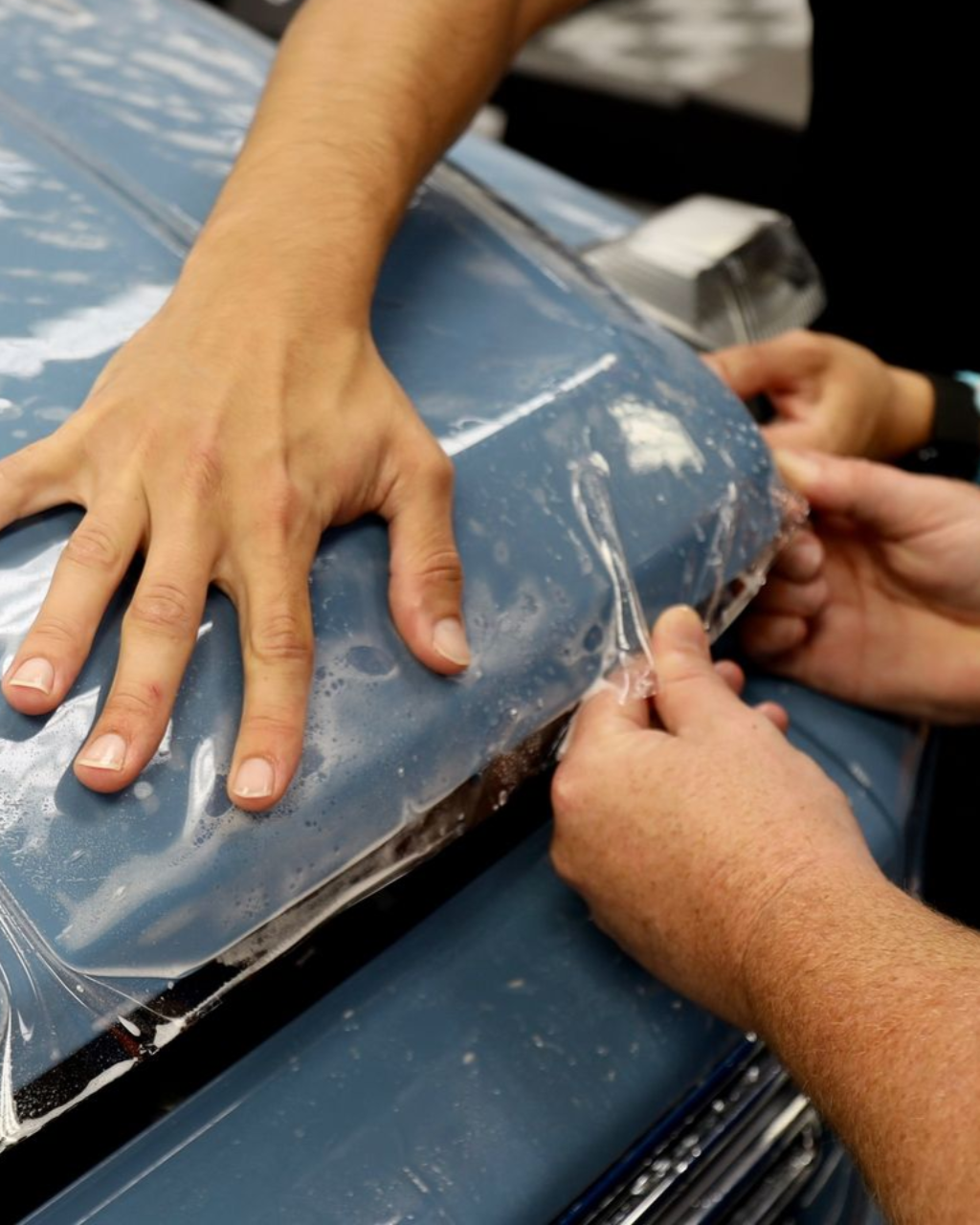
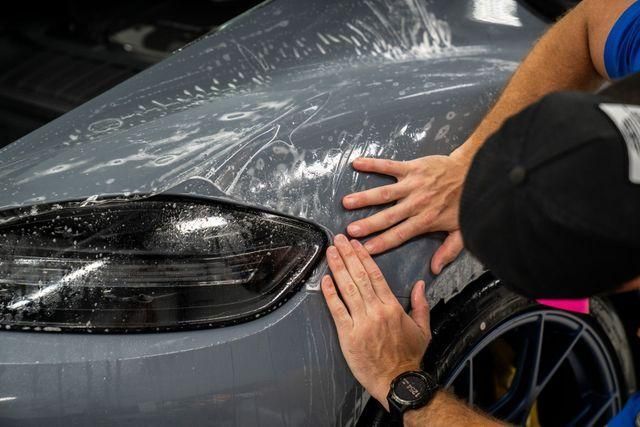
The quality of the original installation has a lasting effect on how clear the film remains over the years, which is why professional installation is such an important part of preventing future clarity issues. Improperly installed film can trap dust or debris beneath the surface during application, and poorly aligned seams or edges create weak points where contamination and moisture are more likely to collect. At Presidential Automotive Detailing, our installation process is designed to eliminate these risks from the start, ensuring the film bonds evenly and cleanly so that Tampa vehicle owners get the smooth, consistent finish they expect for years to come. Professional
paint protection film installation helps ensure smooth adhesion, clean edges, and lasting clarity without trapped dirt or uneven areas.
Tips for Tampa Vehicle Owners to Preserve PPF Clarity
Protecting film clarity in Tampa's climate comes down to a few consistent habits that make a significant difference over time. Washing the vehicle regularly with pH-balanced, PPF-safe products helps prevent contaminants from building up, while parking in shaded areas or using a breathable car cover reduces the amount of direct UV exposure the film has to withstand. Promptly removing bird droppings, tree sap, and bug residue before they have a chance to set in also goes a long way toward keeping the surface looking fresh, and scheduling periodic professional inspections allows small issues to be caught and corrected before they turn into larger clarity problems.
Signs Your PPF Needs Replacement or Repair
Recognizing the early warning signs of failing film can help vehicle owners address clarity issues before they spread across larger sections of the car. Persistent haze or yellowing that does not improve after washing is often a sign that the film's protective layers have started to break down beyond what routine cleaning can fix. Bubbling, peeling edges, or areas where the film feels brittle rather than flexible are also strong indicators that the film has reached the end of its effective lifespan and should be evaluated by a professional for repair or replacement.
Final Thoughts on PPF Clarity Issues
Paint protection film is designed to keep a vehicle looking flawless, but its long-term clarity depends on far more than the product alone. Contamination, improper washing, sun exposure, film quality, and everyday maintenance all play a role in how well that clarity holds up over the years, and Tampa's climate makes these factors even more important to manage consistently. With professional installation and a steady maintenance routine, most PPF clarity issues can be significantly reduced or avoided altogether. If your film is starting to show signs of haze, yellowing, or uneven texture, the team at Presidential Automotive Detailing can help assess its condition and restore that clean, protected finish your vehicle deserves.
Contact us today to schedule a professional PPF inspection in Tampa, FL, and keep your vehicle’s finish clear and protected.