What Is the Difference Between Pre-Cut and Custom-Cut Paint Protection Film?
Anyone researching paint protection for a new or well-loved vehicle quickly encounters an important decision: should the film be pre-cut or custom-cut? The cutting method affects how the film fits, how the edges look, and how well the protection holds up against Florida sun, heat, and road debris. At Presidential Automotive Detailing in Tampa, we regularly help vehicle owners understand these options. The right choice depends on the vehicle, coverage goals, and expected finish. This guide compares pre-cut vs. custom-cut PPF to help you make an informed decision.
Understanding Pre-Cut Paint Protection Film
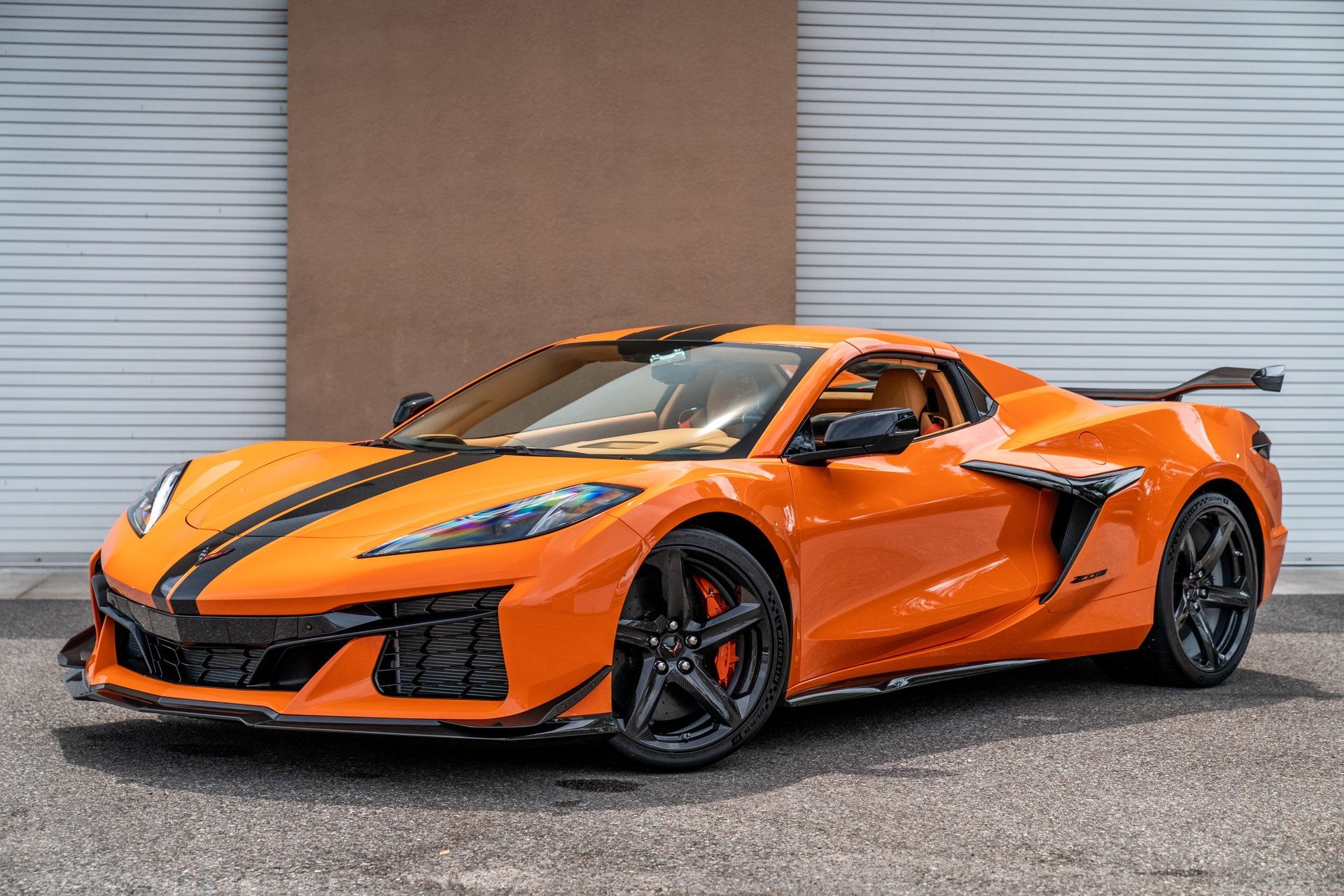
Pre-cut PPF is film shaped in advance to match a specific vehicle's make, model, and year. Instead of trimming the material directly on the vehicle, technicians install patterns prepared before the film touches the paint. This approach offers consistency, efficiency, and predictable results.
How Pre-Cut PPF Patterns Are Designed
Pre-cut patterns begin as digital designs created using measurements of specific vehicles. Software maps individual panels, including the hood, fenders, mirrors, and bumper. A plotter then cuts the film into shapes that match these contours. Because the same design can be reused for matching vehicles, installations maintain consistent results. This method works particularly well for popular vehicle models with established patterns, as the final fit depends on the accuracy of the original digital design.
Pre-Cut PPF Installation Process
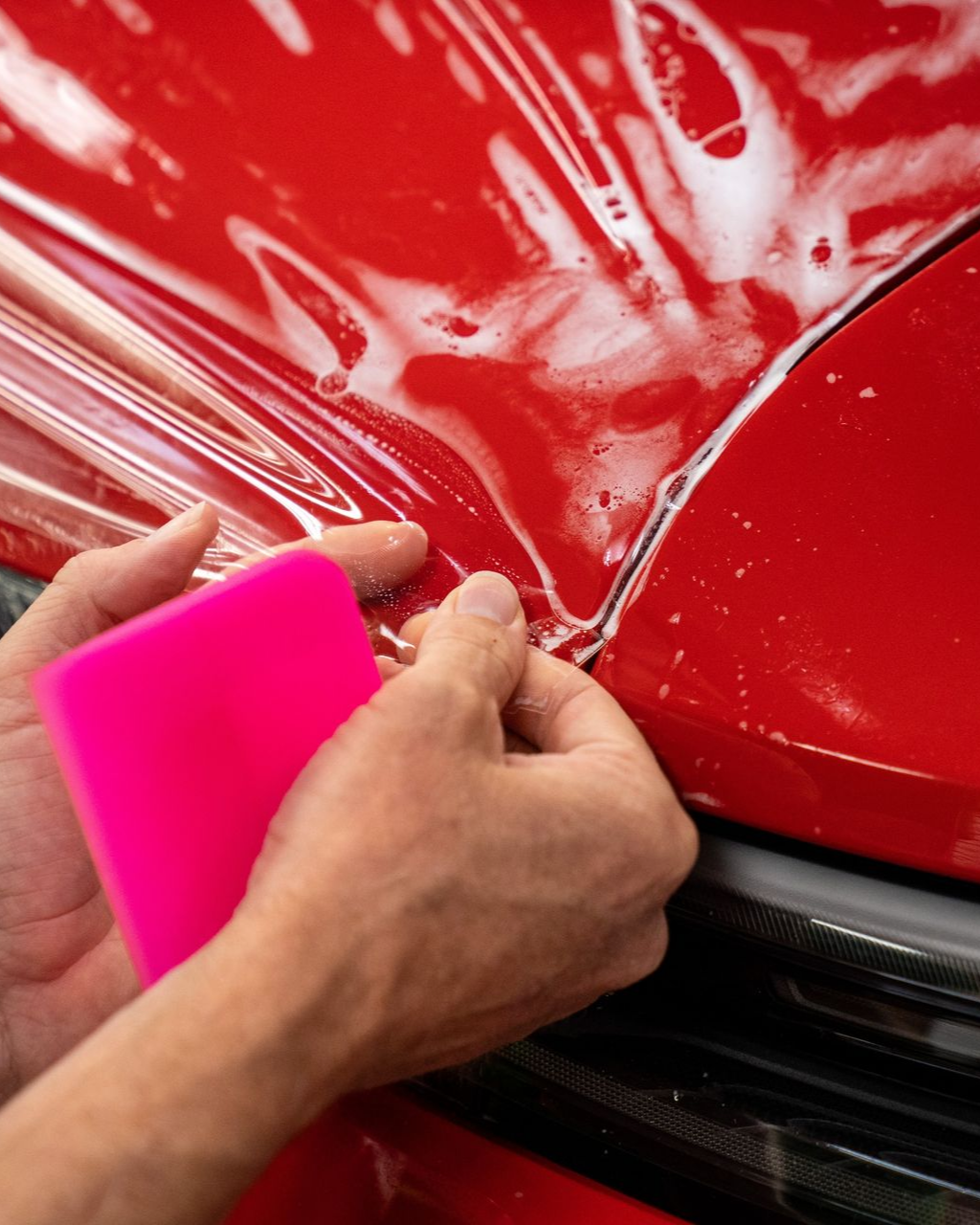
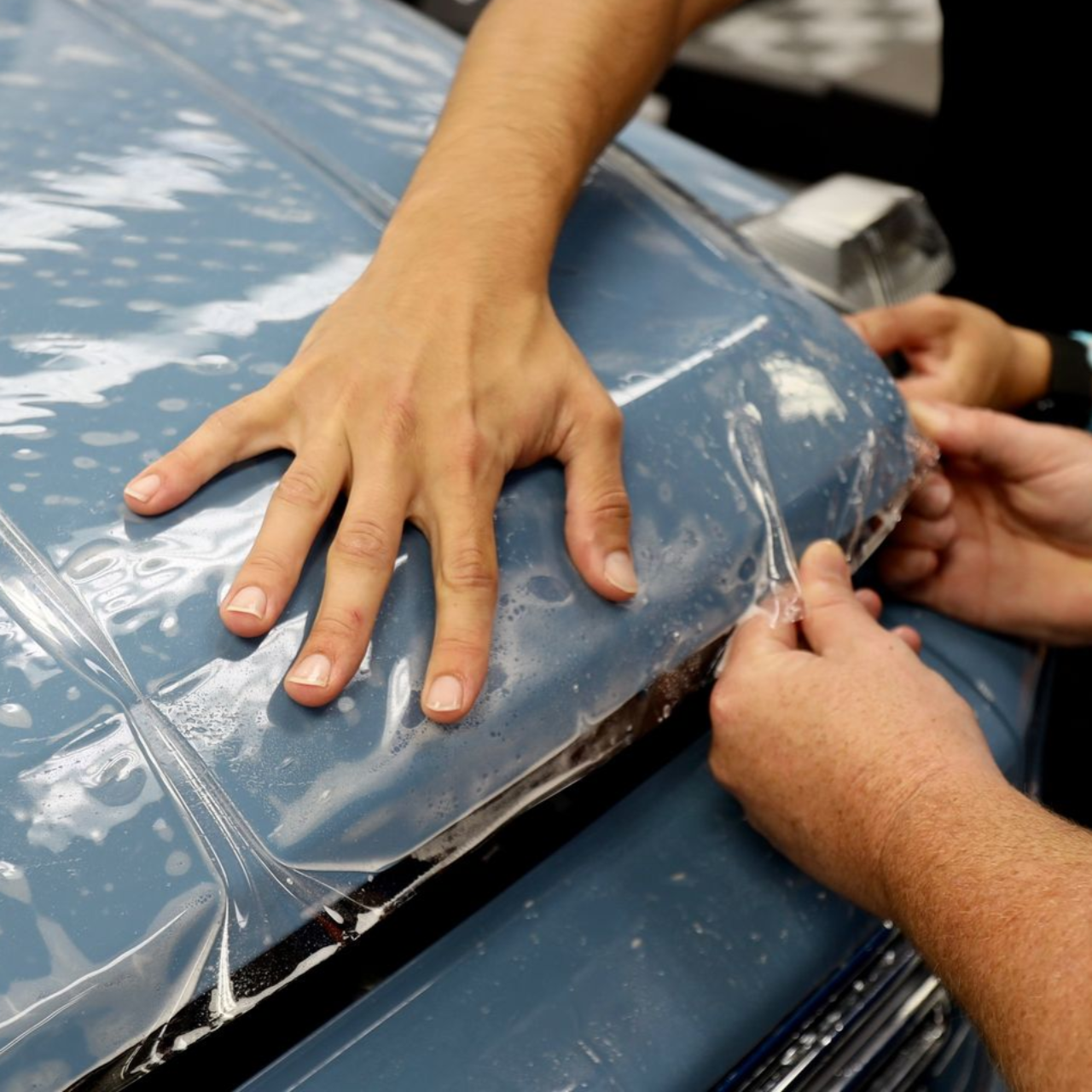
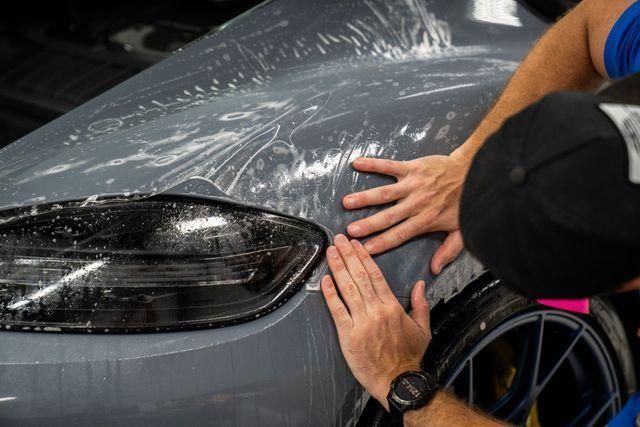
During installation, the technician cleans and prepares the vehicle's surface before positioning each pre-shaped film section. A slip solution allows small adjustments before the film settles into place. Squeegees remove excess solution and air, while controlled heat helps the film conform to curved areas without lifting. Since the cutting is completed beforehand, technicians do not need to use blades directly on the vehicle's paint. Although the process is generally efficient, accurate alignment and careful finishing remain essential for a clean appearance.
Coverage, Fit, and Edge Finishing
Pre-cut film follows the dimensions of its prepared pattern. As a result, coverage generally stops a short distance from panel seams, door edges, and trim. This provides uniform protection for commonly covered areas, including the front bumper, hood, and mirrors. However, the edges are fixed according to the original pattern and typically do not wrap around panels or tuck into gaps. For many vehicle owners, this level of coverage provides dependable protection for high-impact areas.
Understanding Custom-Cut Paint Protection Film
Custom-cut PPF is shaped specifically around an individual vehicle rather than selected from an existing pattern library. This method gives installers greater control over film placement, coverage, and edge finishing. It is particularly useful for vehicles with unusual body lines, aftermarket modifications, or specific coverage requirements.
How Custom-Cut PPF Is Prepared
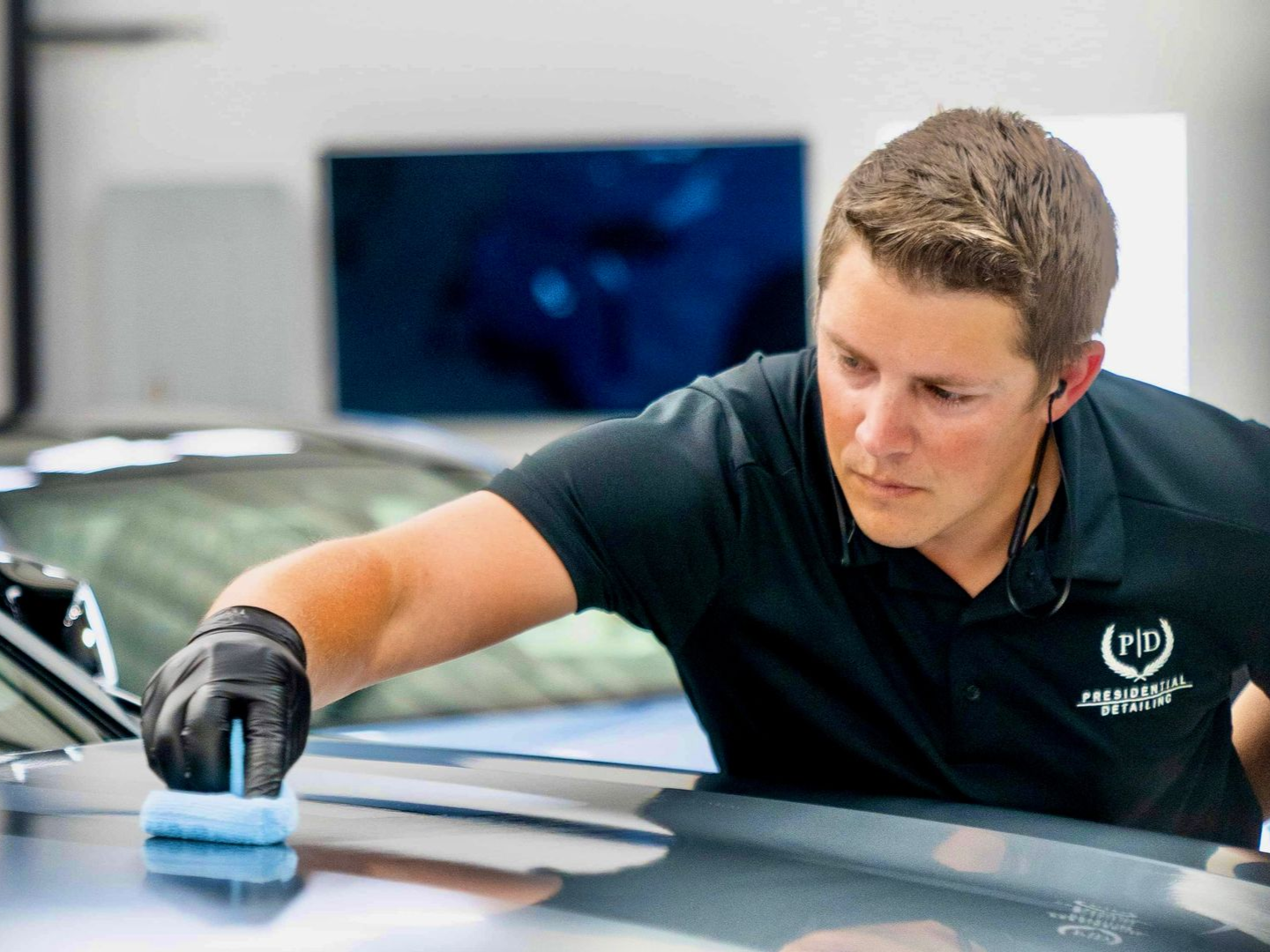
At Presidential Automotive Detailing, we use premium STEK Paint Protection Film for custom-cut PPF installations, shaping the material according to the exact panels of each vehicle. Our technicians work with film from a bulk roll and carefully evaluate the vehicle's body lines, curves, and openings before determining the required dimensions. The material may be trimmed directly on the vehicle or used to create a pattern specifically for that model. This approach allows the film to follow irregular shapes that standard patterns may not accommodate. With careful measurements, precise cutting, and professional installation techniques, we focus on achieving accurate coverage and a clean finish that complements the vehicle's original design.
Custom-Cut PPF Installation Process
Custom-cut installation generally involves working on one panel at a time. The technician applies, stretches, and trims the film in a controlled sequence. Slip solution and squeegees help position the material, while careful shaping allows it to follow the vehicle's contours. The installer also finishes the edges during the process to create a consistent appearance across panels. Since each section requires individual attention, installation usually takes longer than applying pre-cut patterns. The final result depends heavily on the technician's experience and craftsmanship.
Coverage Flexibility and Edge Finishing
One of the biggest advantages of custom-cut film is its flexibility. Installers can extend coverage to additional areas, accommodate aftermarket parts, and adjust the film to suit vehicles without ready-made patterns. The edges can often be wrapped around panels or tucked into gaps, helping the film blend with the vehicle's bodywork and reducing visible lines. This approach is especially valuable for owners who prefer a refined, discreet finish.
Advantages and Limitations of Pre-Cut and Custom-Cut PPF
Both installation methods offer different benefits and limitations. Understanding these differences helps vehicle owners select an option that matches their vehicle and expectations.
Advantages and Limitations of Pre-Cut PPF
Pre-cut PPF offers several practical advantages:
- Faster Installation: Prepared patterns generally make the installation process quicker.
- Consistent Results: Digital patterns provide uniform shapes for matching vehicle models.
- No Blade Work on Paint: Film is cut before installation, avoiding direct blade work on the vehicle.
- Predictable Pricing: Standardized installation processes generally make pricing more predictable.
However, pre-cut film also has limitations. Newer releases, rare models, and vehicles with aftermarket body parts may not have suitable patterns available. Additionally, fixed edges may stop short of wrapping around panels, which can affect the overall appearance.
Advantages and Limitations of Custom-Cut PPF
Custom-cut PPF provides several benefits for vehicle owners seeking a tailored installation:
- Customized Fit: Film is shaped according to the specific vehicle.
- Flexible Coverage: Installers can adjust protection to cover additional areas.
- Refined Edge Finishing: Edges can often be wrapped or tucked for a cleaner appearance.
- Greater Compatibility: Custom cutting can accommodate vehicles without existing patterns and those with aftermarket modifications.
The main limitations include longer installation times, potentially higher labor costs, and greater dependence on the technician's experience. An inexperienced or rushed installation can affect the final quality.
How Vehicle Design Influences PPF Installation
A vehicle's design plays an important role in determining which installation method is more suitable. Smooth, gently curved panels are generally easier to cover than complex bumpers, deep recesses, and sharp creases. Features such as sensors, camera openings, vents, and sculpted body lines require additional attention during installation. Aftermarket body kits, spoilers, and wide-body components can also make standard patterns less suitable. Vehicles with common panel shapes and established patterns often work well with pre-cut film. In contrast, modified vehicles and those with unusual contours may benefit from custom-cut installation. Professional paint protection film installation ensures the film is accurately fitted to the vehicle's individual panels, providing consistent coverage while maintaining the original appearance and finish.
Pre-Cut vs. Custom-Cut PPF: Key Differences
The following comparison highlights the main differences between the two installation methods.
| Comparison Factor | Pre-Cut PPF | Custom-Cut PPF |
|---|---|---|
| Film Preparation | Uses digitally prepared patterns | Shaped from bulk film |
| Installation Time | Generally quicker | Usually takes longer |
| Fit | Follows existing patterns | Tailored to the vehicle |
| Edge Finishing | Typically stops near panel edges | Can wrap around or tuck into gaps |
| Coverage | Based on available patterns | More flexible coverage |
| Vehicle Compatibility | Best for supported models | Suitable for a wider range of vehicles |
| Paint Cutting Risk | No blade work on paint during installation | Requires careful cutting techniques |
| Cost | Generally more predictable | Labor costs may be higher |
Neither method is automatically better. The right choice depends on the vehicle's design, available patterns, coverage requirements, and desired finish.
Which PPF Installation Method Is Right for Your Vehicle in Tampa?
Choosing between pre-cut and custom-cut PPF starts with evaluating your vehicle, protection requirements, and expectations for the finished appearance. If you own a popular vehicle model and want efficient, dependable protection for common impact areas, pre-cut film can be an excellent option. If your vehicle has unusual body lines, aftermarket modifications, or you prefer edges that blend more closely with the bodywork, custom-cut film may be more suitable. Tampa's strong sun, heat, humidity, and busy roads make proper installation and clean edge finishing important considerations. A professional assessment can help determine which method offers the most suitable coverage for your vehicle.
Choosing the Right Paint Protection Film for Your Vehicle
The main difference between pre-cut and custom-cut paint protection film comes down to preparation, flexibility, and installation technique. Pre-cut film uses prepared patterns to provide speed and consistency, while custom-cut film offers greater flexibility and a tailored finish. Both methods have advantages and limitations, and the vehicle's design should guide the final decision.
Contact us in Tampa today to discuss your paint protection film needs and schedule a professional PPF installation for your vehicle.