What Causes PPF Edges to Lift or Peel Prematurely?
Why do PPF edges lift, and why does it happen even on vehicles protected with premium film? It is one of the most common frustrations among car owners who invest in paint protection, and it rarely happens without a reason. Lifting usually traces back to surface preparation, installation quality, adhesive performance, environmental exposure, or the way the vehicle is cared for afterward. For drivers in Tampa, FL, heat, humidity, and coastal air add even more pressure on the film. Understanding these causes helps vehicle owners recognize early warning signs and take the right steps to keep their film looking sharp for years.
Why Do PPF Edges Lift?
Paint protection film uses a pressure-sensitive adhesive that gradually bonds with a clean, smooth surface as it settles and cures. While the center of each panel is protected by the rest of the film, the edges remain exposed to air, water, dirt, and friction. This exposure makes them more vulnerable to weaknesses in preparation, installation, and maintenance, which is why edge lifting deserves close attention.
Surface Preparation Problems That Cause PPF Edges to Lift
Surface preparation is the foundation of every successful film installation, and it is where many lifting problems begin. If the paint is not perfectly clean and smooth before the film is applied, the adhesive cannot grip evenly, allowing weak spots to develop along the edges.
Contaminants Left on the Paint
Even microscopic residue can interfere with adhesion. Old wax, sealants, road oils, fingerprints, and fine grime create a barrier between the adhesive and the clear coat, preventing a complete bond. Contaminants such as tar spots, tree sap, and industrial overspray can also create tiny gaps beneath the film, allowing air and moisture to enter and gradually lift the edges.
Skipped Decontamination and Paint Correction
A quick wash is not enough before applying paint protection film. Proper preparation includes a thorough wash, chemical and mechanical decontamination, and a panel wipe to remove leftover oils. Rough paint, deep swirls, or damaged clear coat can also reduce the contact area available to the adhesive, resulting in an uneven bond. At Presidential Automotive Detailing, we treat preparation as a core part of our paint protection film service because a smooth, spotless surface gives the film its best chance of staying in place.
Poorly Cleaned Edges and Panel Gaps
Door jambs, hood seams, fender lines, and trim gaps collect dirt that is easy to overlook. When film is wrapped or trimmed near these areas without proper cleaning, trapped debris can push the edges upward or prevent them from sealing correctly. Tight spaces can also retain moisture, weakening the adhesive from underneath and increasing the risk of premature peeling.
Installation Mistakes That Lead to Peeling PPF Edges
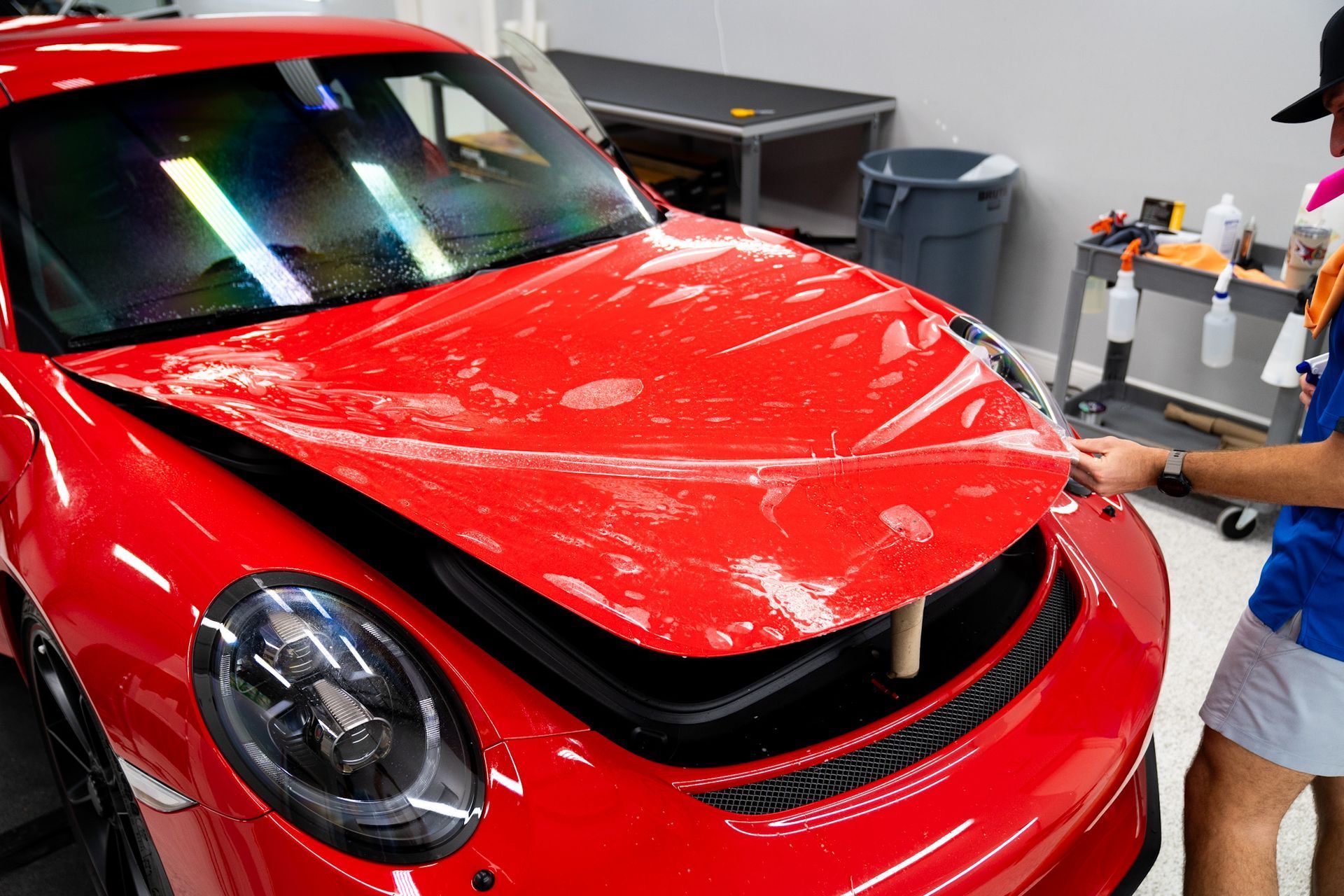
Even with proper preparation, installation techniques play a major role in determining how long PPF edges remain secure. Applying the film requires patience, precision, and experience because mistakes such as excessive stretching, inaccurate trimming, and uneven pressure can create tension or weak bonding points that eventually cause lifted corners and peeling borders.
Overstretching the Film
Paint protection film is designed to stretch, but only within reasonable limits. When an installer pulls the film too tightly around a bumper, mirror, or curved fender, the material stores tension that gradually pulls the edges back toward their original shape. This can create lifted corners or visible gaps. Skilled installers use heat, positioning, and controlled stretching to help the film settle naturally without putting unnecessary tension on the edges.
Poor Edge Wrapping and Trimming
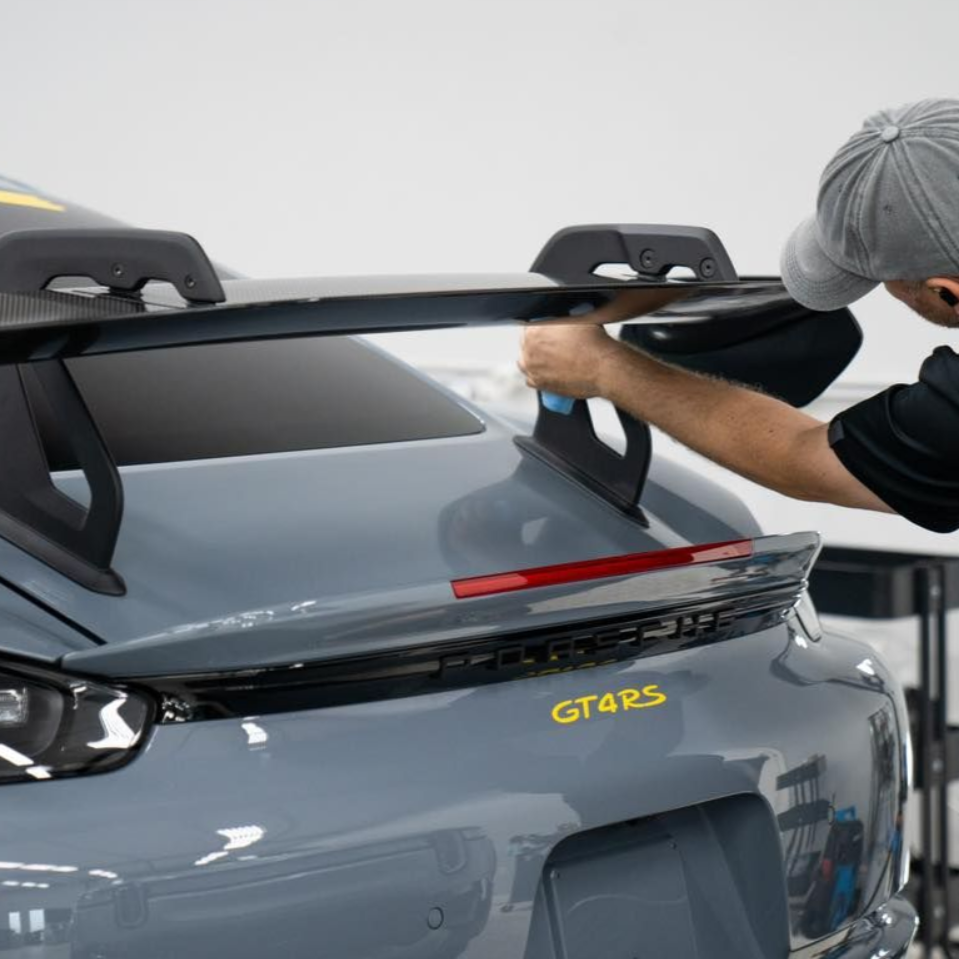
Edge finishing separates a durable installation from a short-lived one. Uneven cuts, film that ends too close to the panel edge, or improperly wrapped sections can leave the adhesive line exposed to water and friction. Clean knife-cut edges and accurately designed pre-cut patterns can both perform well when the film is sized and aligned correctly. Rushed trimming, however, can leave rough borders that catch on towels and begin to peel.
Incorrect Squeegee Pressure and Alignment
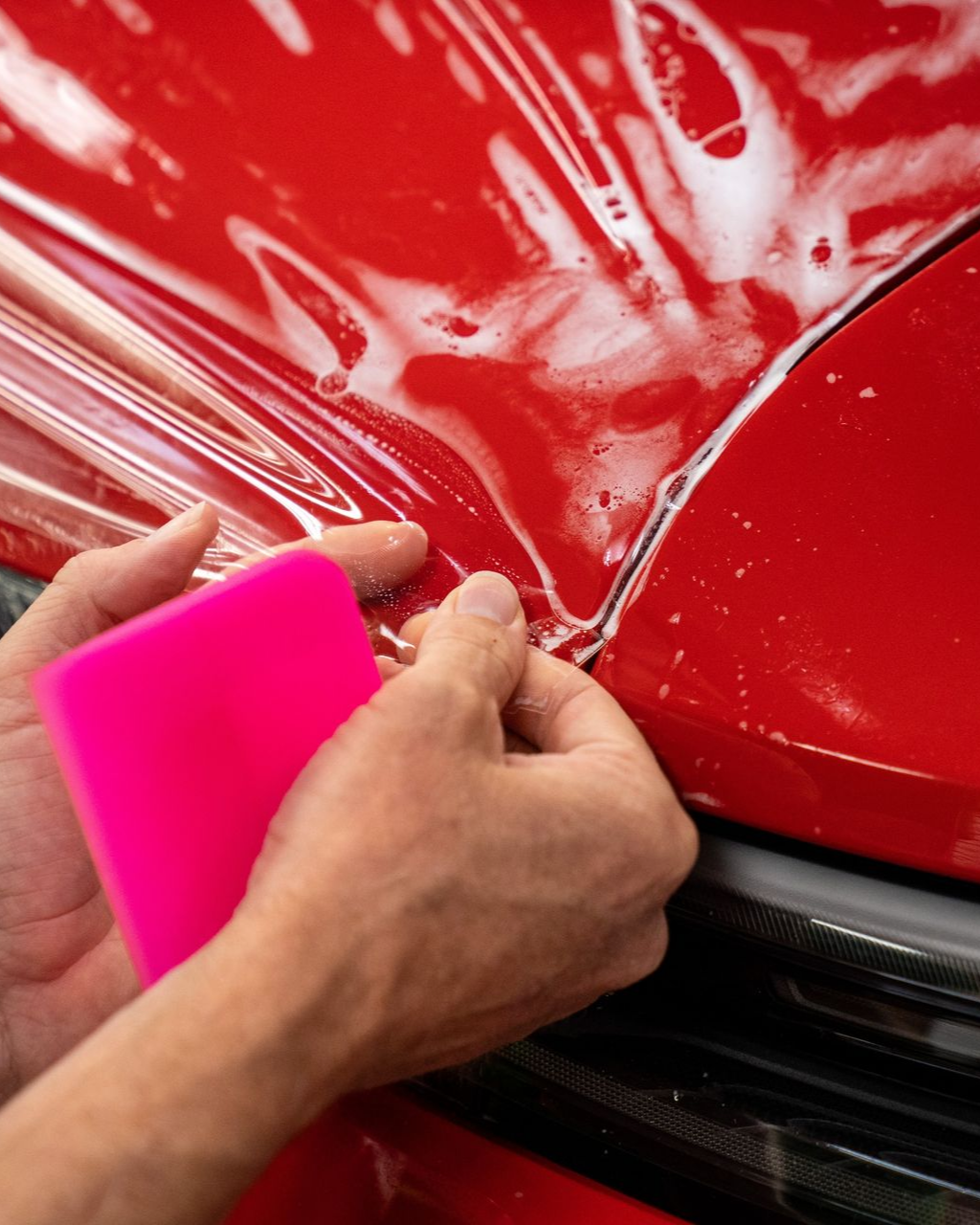
The squeegee removes slip solution and presses the adhesive firmly against the paint. Uneven pressure can leave moisture and air trapped near the edges, preventing the film from bonding completely. Misaligned film may also require repeated repositioning, which can weaken adhesion in those areas. This is why installer experience matters, and why our team at Presidential Automotive Detailing focuses on steady application techniques and careful finishing on every panel.
Adhesive Bonding and Curing Problems
Adhesive performance is another major reason PPF edges lift, and it depends on both film quality and the curing process. Lower-grade or aging film may have weaker adhesive that loses its grip sooner, particularly in climates that place daily stress on the material. Film that does not properly match the vehicle's contours may also resist settling, while exposure to water before the adhesive has fully cured can interrupt bonding and leave the edges vulnerable to peeling.
Environmental Conditions That Affect PPF Adhesion
Environmental conditions surrounding the vehicle and installation process can influence how well paint protection film performs. In Tampa, intense sunshine, high humidity, sudden summer storms, and salty coastal air put additional pressure on the film's bond. Installing film in a dusty, humid, or poorly controlled space can also allow airborne particles and moisture to interfere with adhesion. A clean, climate-managed shop environment helps reduce these risks and gives the film a stronger starting bond for Florida driving conditions.
How Heat and Moisture Contribute to Edge Lifting
Heat and moisture work together to weaken edge adhesion over time. Vehicles in Florida experience repeated cycles of heating in the sun and cooling overnight, causing the film to expand and contract slightly. This constant movement can gradually loosen edges that were not properly sealed. Moisture can then enter through small openings, soften the adhesive line, and allow dirt to collect underneath, making shade and covered parking helpful for reducing environmental stress.
Improper Washing Practices That Cause PPF to Peel
Even a properly installed film can fail prematurely if the vehicle is washed incorrectly. High-pressure water directed at the edges can force its way underneath the film, while automatic car washes with stiff brushes can catch corners and pull them upward. Harsh chemicals, abrasive towels, aggressive scrubbing, and washing before the adhesive has fully cured can also damage the film or weaken its bond. Gentle hand washing with pH-neutral soap and soft microfiber towels helps protect the film and keep its edges secure.
Early Warning Signs of Lifting PPF Edges
Recognizing edge lifting early can help prevent more extensive repairs later. Common warning signs include thin white or cloudy lines along the film's borders, slightly raised corners, dirt collecting around the edges, discoloration caused by trapped grime, and small bubbles near panel seams. These signs may indicate that the adhesive bond is weakening. Addressing the problem promptly gives a professional the opportunity to inspect the affected area before moisture and contaminants spread further underneath the film.
How to Prevent PPF Edges from Lifting
Preventing PPF edge lifting starts with choosing an experienced, certified installer who understands the film and the conditions it will face. After installation, follow the recommended curing period and washing guidelines, use gentle hand-washing methods with pH-neutral products, and avoid directing high-pressure water toward the edges. In Tampa's heat, parking in shaded or covered areas and keeping dirt and salt from collecting along the film's borders can help preserve adhesion. Regular inspections also allow minor issues to be corrected before they become larger problems.
Get Professional Paint Protection Film Service in Tampa, FL
If you are wondering why PPF edges lift on your vehicle or want to prevent installation-related problems, Presidential Automotive Detailing is ready to help. Our team understands how Tampa's heat, humidity, and coastal air affect paint protection film, and we build our process around careful preparation, precise installation, and proper aftercare guidance. Visit our paint protection film services page and contact us to schedule a consultation or inspection of your existing film. Contact Presidential Automotive Detailing today to schedule your professional PPF installation or inspection in Tampa, FL, and keep your vehicle's paint protected with lasting care.