What Happens If PPF Gets Damaged? Repair vs Replace Guide
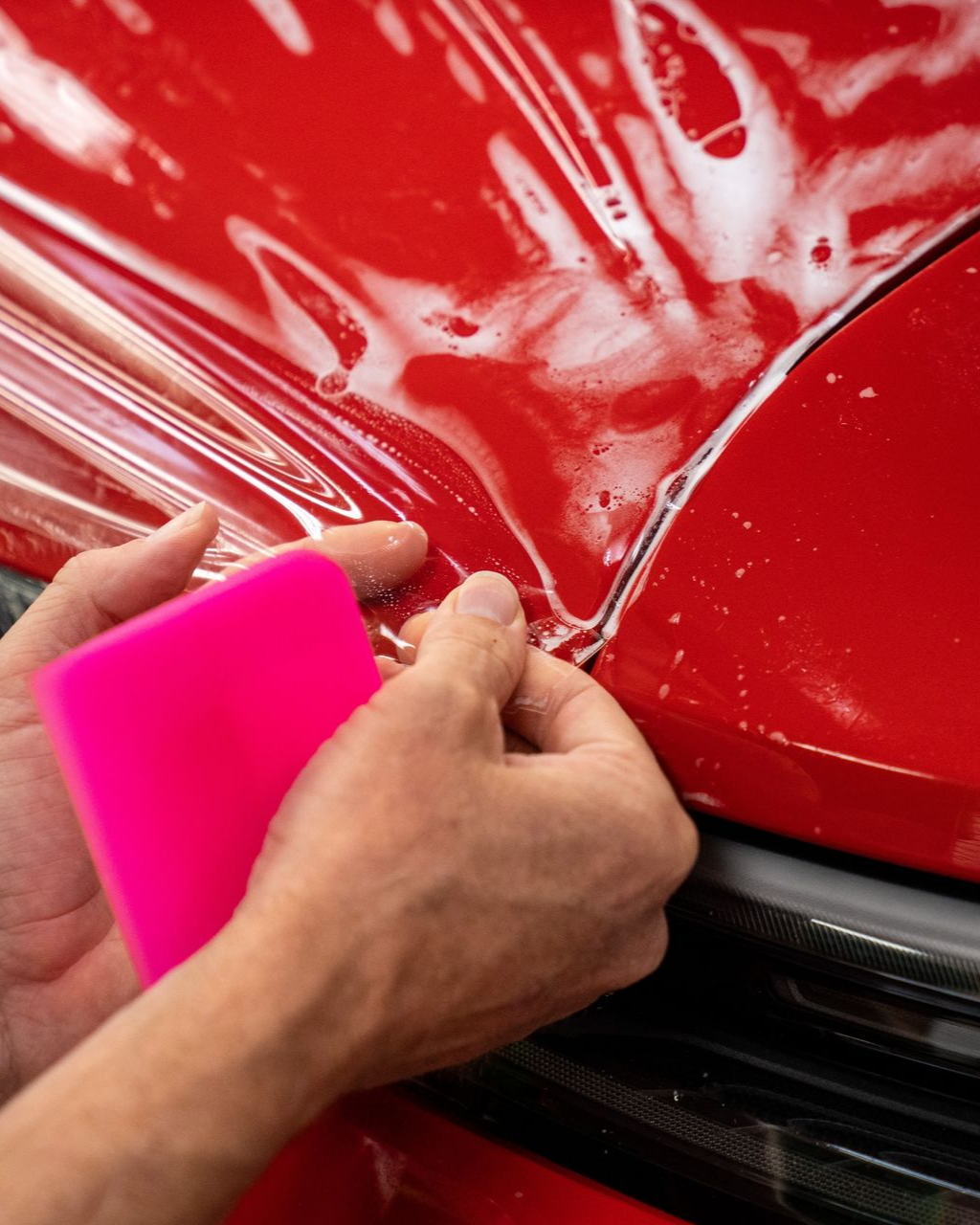
Paint protection film is designed to shield a vehicle’s exterior from road debris, minor scratches, UV exposure, and everyday wear, but even high-quality film can experience damage over time. Drivers in Tampa, FL often deal with intense sunlight, highway debris, heavy rain, and harsh environmental conditions that can gradually affect the condition of their PPF. When damage appears, many vehicle owners wonder whether the film can be repaired or if complete replacement is the better option. Understanding the difference between repairable issues and damage that requires replacement helps maintain both the appearance and protection of a vehicle. At Presidential Automotive Detailing’s paint protection film services help drivers preserve their investment while ensuring long-lasting surface protection and durable PPF benefits.
Common Types of PPF Damage
Different types of damage can affect paint protection film depending on driving habits, environmental exposure, and maintenance routines. Some issues remain minor and cosmetic, while others can reduce the film’s protective performance. Recognizing the severity of the damage is an important part of deciding between PPF repair vs replacement and preventing additional wear to the vehicle’s paint.
Surface Minor Scratches and Swirl Marks
Light scratches and swirl marks are among the most common forms of paint protection film damage, especially on vehicles exposed to automatic car washes, improper cleaning methods, or regular highway driving around Tampa. Many modern PPF products feature self-healing technology that allows minor surface scratches to disappear when exposed to heat or sunlight. In situations where marks remain visible, professional correction methods may help restore the appearance of the film without requiring replacement. Addressing these imperfections early helps maintain the clean finish vehicle owners expect from professional PPF installation.
Peeling or Lifting Edges
PPF edges may begin lifting over time due to environmental exposure, poor installation, aggressive washing techniques, or natural wear from daily driving. Tampa’s heat and humidity can place additional stress on adhesive materials, especially if the film was not properly maintained. Small areas of lifting may sometimes be repaired through edge resealing, but widespread peeling often indicates adhesive failure or aging material. If ignored, dirt and moisture can enter underneath the film and create further problems that reduce the effectiveness of the protective layer.
Tears, Deep Cuts, and Impact Damage
Road debris, rock chips, accidental impacts, and sharp objects can cause tears or punctures in paint protection film. Unlike light surface scratches, more serious damage may compromise the protective barrier entirely and expose the paint underneath. Once the film is cut through, moisture and contaminants can reach the vehicle’s finish, increasing the risk of paint damage over time. Severe impact damage usually requires replacing the affected panel to restore complete protection and preserve the vehicle’s exterior appearance.
When PPF Can Be Repaired
Not every form of PPF damage requires complete replacement, and in many situations, professional repair services can restore both appearance and functionality. Minor imperfections are often manageable when addressed quickly, allowing vehicle owners to maintain protection while avoiding unnecessary replacement costs. Determining whether repair is possible depends on the extent of the damage, the age of the film, and the condition of the surrounding material.
Minor Imperfections That Can Be Corrected
Small surface defects such as light scratches, minor scuffs, or isolated lifting edges can often be repaired without replacing the entire section of film. Professional technicians may use heat activation, adhesive correction, or surface treatments to improve the appearance and restore proper adhesion. Modern PPF technology is specifically designed to handle small cosmetic imperfections while continuing to protect the vehicle from everyday hazards. Repairing minor damage early can help extend the life of the film and maintain the vehicle’s polished appearance.
Spot Repairs for Small Damaged Areas
When damage is limited to a specific area, localized repair or partial replacement may be possible instead of removing the entire panel. Small sections affected by road debris or edge damage can sometimes be corrected while preserving the surrounding film. This approach is often more cost-effective for vehicle owners who want to maintain protection without replacing larger sections unnecessarily. Professional installation is important during spot repairs to ensure the repaired area blends properly with the existing film and maintains consistent protection across the surface.
Factors That Affect Repair Success
Several factors determine whether paint protection film can be repaired successfully, including the film’s age, overall condition, exposure to contaminants, and installation quality. Older film that has begun yellowing or losing adhesion may not respond well to repair attempts, especially in areas exposed to strong sunlight and extreme temperatures. Vehicles driven regularly on Tampa highways may experience accelerated wear from road debris and environmental exposure, making professional evaluation important before deciding between repair and replacement. Proper maintenance and routine inspections can help identify repairable issues before they become more severe.
Signs It’s Better to Replace the PPF
While some forms of damage can be corrected, certain conditions indicate that replacement is the more effective long-term solution. Severely compromised film may no longer provide adequate protection or maintain the clean appearance expected from professional PPF installation. Replacing damaged sections restores both functionality and visual quality while helping protect the vehicle’s original paint from future exposure.
Yellowing or Permanent Staining
Over time, paint protection film may begin showing signs of discoloration due to UV exposure, contamination, oxidation, or environmental pollutants. Tampa’s intense sunlight can accelerate the aging process for lower-quality or heavily worn film, leading to visible yellowing or staining that cannot be corrected through cleaning or repair. Once discoloration becomes permanent, replacement is usually the best option for restoring the vehicle’s appearance and maintaining consistent protection across the exterior surface.
Extensive Peeling or Adhesive Failure
Large areas of lifting or peeling often indicate that the adhesive layer beneath the film has weakened significantly. When adhesive failure spreads across an entire section, simple edge repairs are typically no longer effective because the film cannot maintain proper contact with the paint surface. Moisture, debris, and contaminants trapped underneath the film can also create additional problems if the damaged material remains installed for too long. Replacing the affected section helps restore full adhesion and ensures reliable paint protection moving forward.
Deep Damage That Reaches the Paint
Deep cuts, punctures, or impact damage that penetrate through the film and affect the paint underneath generally require immediate replacement. Once the paint becomes exposed, the protective purpose of the film is compromised completely, leaving the surface vulnerable to moisture, oxidation, and additional damage. Replacing the damaged section allows technicians to inspect the paint condition underneath while restoring the protective barrier needed for long-term durability. This process helps maintain the durable PPF benefits vehicle owners rely on for preserving their exterior finish.
PPF Repair vs Replacement Cost Considerations
Cost is often one of the biggest factors vehicle owners consider when evaluating PPF repair vs replacement. Minor repairs are typically more affordable because they involve less labor and material, especially when damage is limited to small sections or isolated imperfections. However, delaying repairs can sometimes allow damage to spread, leading to more expensive replacement costs later. Full panel replacement generally costs more due to the removal process, surface preparation, and installation of new film, but it may provide better long-term value when the existing material is severely worn or compromised. Tampa drivers who frequently encounter highway debris, strong UV exposure, and unpredictable weather conditions may benefit from addressing damage early to avoid larger repair expenses in the future.
How long do repaired or replaced PPFs last
The lifespan of repaired or newly replaced paint protection film depends heavily on maintenance habits, environmental exposure, and the quality of installation. Vehicles that receive proper washing techniques, regular inspections, and professional maintenance often experience longer-lasting performance from their film. Tampa’s climate can place additional stress on exterior surfaces due to strong sunlight, heat, humidity, and heavy rainfall, making ongoing care especially important for preserving film condition. High-quality PPF products installed by experienced professionals can continue protecting for years when maintained correctly. Routine maintenance also helps preserve clarity, adhesion, and the overall appearance of the vehicle’s finish.
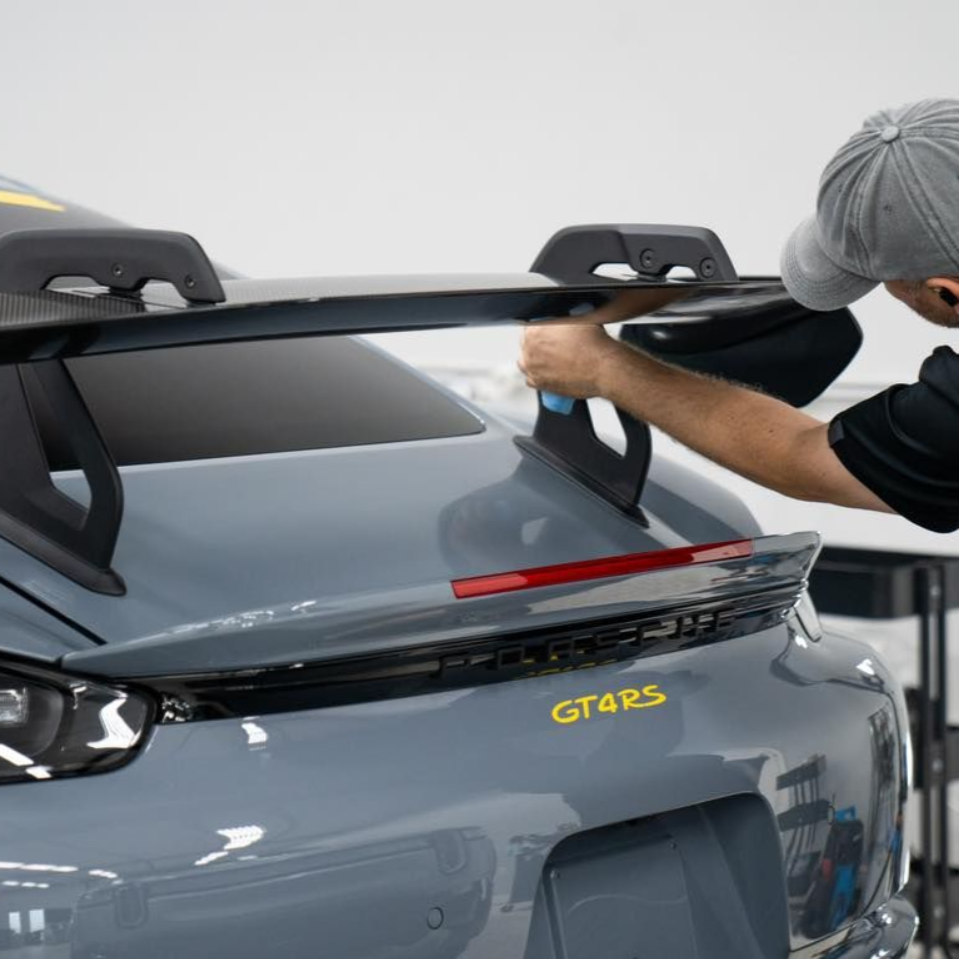
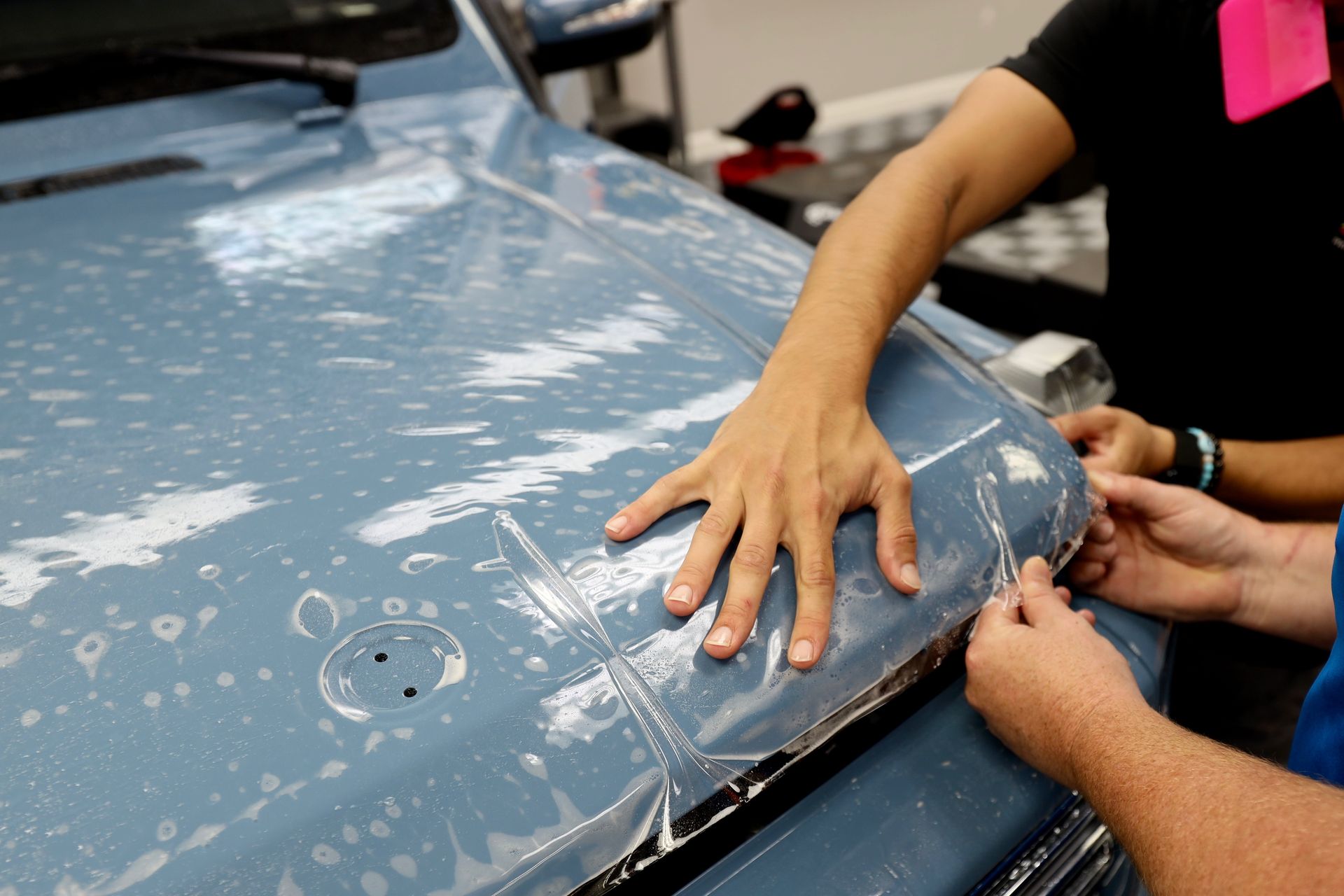
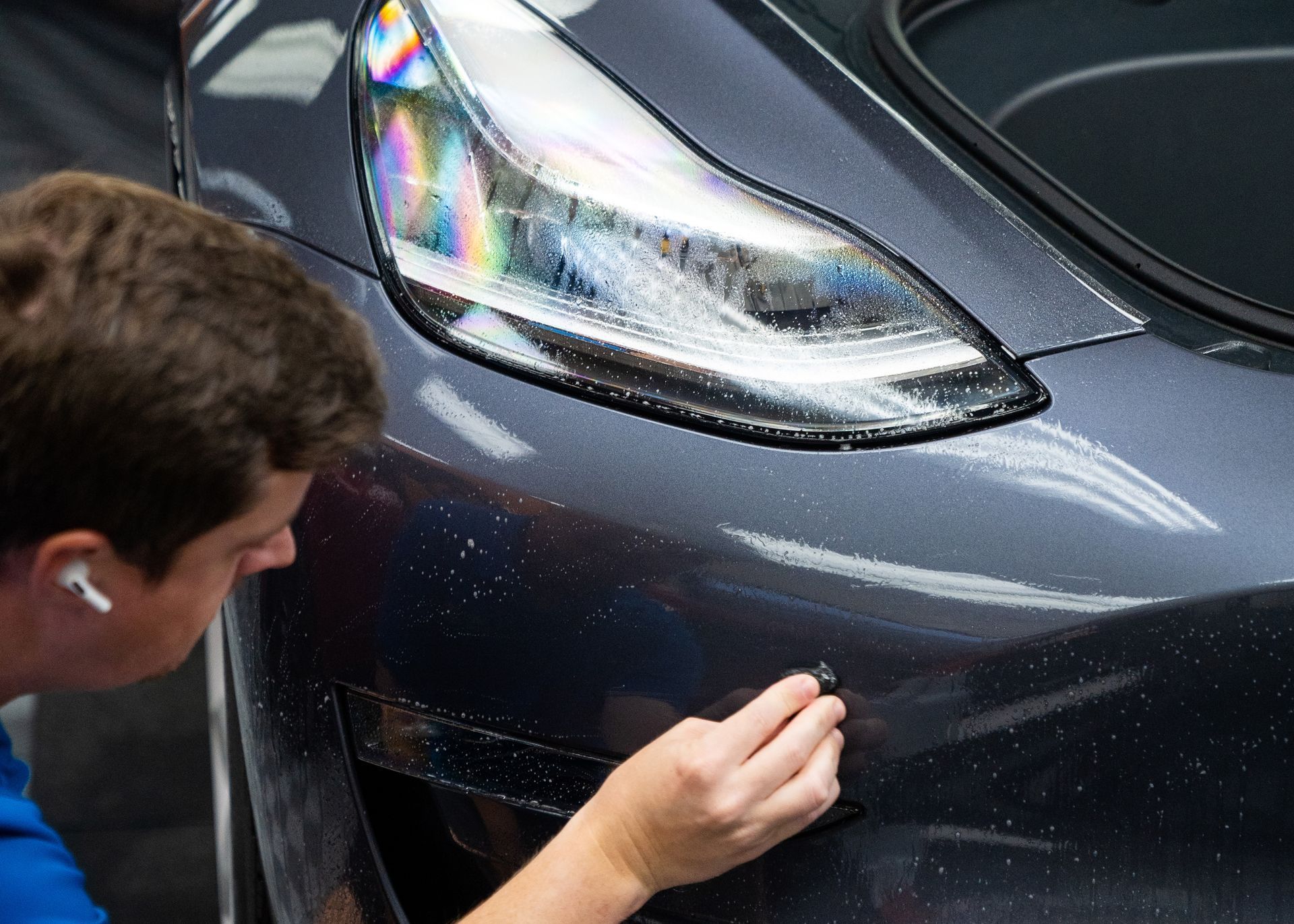
Professional paint protection film installation helps maintain long-lasting defense against road debris, minor scratches, and environmental exposure.
Why Professional Evaluation Matters
Determining whether damaged film should be repaired or replaced requires professional inspection because some issues are not always visible immediately. Experienced technicians can evaluate the condition of the film, inspect for hidden paint damage, and identify signs of adhesive failure or contamination underneath the surface. Professional evaluation also helps ensure the correct repair methods are used without causing additional damage to the vehicle’s finish. At Presidential Automotive Detailing, trained professionals help vehicle owners in Tampa choose the most effective solution based on the severity of the damage, long-term protection goals, and the overall condition of the film. Proper assessment plays an important role in maintaining vehicle appearance while maximizing the value of professional PPF services.
Long-Term Care for Damaged Paint Protection Film
Paint protection film is designed to absorb everyday wear and protect a vehicle’s finish, but damage can still occur from road debris, environmental exposure, and regular driving conditions. Understanding the difference between repairable imperfections and damage that requires full replacement helps vehicle owners make informed decisions about maintaining their protection. Minor scratches and isolated lifting may often be corrected, while severe peeling, discoloration, or deep punctures usually require replacement to restore full performance. Addressing issues early can help reduce long-term costs while preserving the appearance and protection of the vehicle. Presidential Automotive Detailing provides professional PPF services in Tampa, FL, to help drivers maintain durable surface protection and keep their vehicles looking their best for years to come.
Contact us today to schedule professional paint protection film repair or replacement services and keep your vehicle protected on Tampa roads.