Does Paint Protection Film Affect Car Paint Over Time?
Car owners who invest in paint protection film often want reassurance that the product they are relying on will not create new problems down the road. It is a fair question, especially for drivers in Tampa, FL, where intense sun, salt air, and heavy road debris put constant pressure on a vehicle's finish. Many people wonder whether PPF damages car paint after months or years of wear, particularly when it comes to yellowing, adhesive residue, or hidden damage beneath the film. The truth is that when high-quality film is used and installation is handled by trained professionals, paint protection film is designed to preserve your paint rather than harm it. At Presidential Automotive Detailing, we work with Tampa vehicle owners every day who want long-term protection without sacrificing the appearance of their factory finish, and this article breaks down exactly how PPF interacts with your paint over time.
Does PPF Cause Discoloration or Yellowing Over Time?
One of the most common concerns among car owners is whether paint protection film will turn yellow or hazy as it ages, leaving a vehicle looking worse instead of better. This worry is not unfounded, since older generations of protective film were prone to discoloration, but the technology behind modern PPF has changed significantly. Understanding why yellowing happens, how newer film prevents it, and what discoloration actually means for the paint underneath helps Tampa drivers make informed decisions.
Why Some PPF Yellows or Hazes
Discoloration in paint protection film is typically tied to outdated materials rather than the paint itself, which is an important distinction many car owners overlook. Older PVC-based films lacked the chemical stability needed to withstand prolonged sun exposure, and over time the film's polymer structure would break down, causing a yellow or amber tint to develop across the surface. In a place like Tampa where UV exposure is intense for most of the year, this breakdown could happen faster than in cooler climates. Cheaper film products sold without proper UV stabilizers are especially prone to this issue, which is why the type of film chosen plays such a large role in how it ages.
How Modern TPU Film Prevents Discoloration
Today's paint protection film is built using thermoplastic polyurethane, commonly referred to as TPU, which offers far greater resistance to heat, UV rays, and general wear than older film materials. This type of film includes UV inhibitors woven into its structure, along with a self-healing topcoat that helps the surface recover from minor scratches without trapping debris or moisture that could lead to clouding. Because TPU film is engineered to remain clear and flexible for years, Tampa vehicle owners can expect their protective film to maintain its transparency even after prolonged exposure to Florida's harsh sun, which is a major reason professional detailers only recommend premium film brands.
What Discoloration Really Indicates
When yellowing or haziness does occur, it is important to understand that this change happens at the film level and does not mean the paint underneath has been damaged or altered. The protective film acts as a barrier that absorbs UV exposure and environmental wear on behalf of the paint, so any visible aging is confined to that outer layer rather than penetrating through to the clear coat or base paint. This means that even if older or lower-grade film begins to discolor, removing it typically reveals paint that looks just as vibrant as the day it was protected, and this distinction helps car owners avoid unnecessary panic.
Can PPF Cause Adhesive Residue or Paint Damage When Removed?
Another concern that often comes up is whether the adhesive used to bond paint protection film will leave behind residue or strip away paint when the film is eventually removed. This is a valid question, since adhesive-related paint damage has happened in cases involving low-quality products or inexperienced installation. Understanding how modern adhesives are formulated, what causes damage during improper application, and how professionals safely remove film gives Tampa drivers a clearer picture of what to expect.
How PPF Adhesive Is Designed to Protect, Not Harm
The adhesive layer used in quality paint protection film is formulated to bond securely to a vehicle's clear coat while remaining safe for long-term contact and eventual removal. Most reputable film brands use medical-grade acrylic adhesive, which is designed to create a strong hold without chemically reacting with the paint underneath. This type of adhesive is engineered to release cleanly when exposed to heat, allowing professional installers to remove the film without pulling up clear coat or leaving behind sticky residue. Because this adhesive technology has improved significantly, the risk of paint damage from properly applied film is minimal when using established, high-quality products.
What Happens With Improper Installation or Removal
Problems typically arise not from the adhesive itself but from how it is applied or removed, particularly when inexperienced installers or low-grade film products are involved. If film is applied to a surface that has not been properly cleaned and decontaminated, dirt or debris can become trapped beneath it, creating pressure points that may affect the paint over time. Similarly, attempting to remove PPF without the correct heat application can cause the adhesive to pull unevenly, sometimes lifting small amounts of clear coat with it. These issues are almost always tied to inexperienced handling rather than a flaw in the adhesive technology itself.
Safe Removal Process Used by Professionals
Trained detailing professionals follow a controlled removal process that relies on gentle, consistent heat to soften the adhesive before slowly peeling the film away from the surface. This method allows the bond to release cleanly, leaving no sticky residue and no damage to the clear coat beneath it. At Presidential Automotive Detailing, our technicians are trained to handle both installation and removal with precision, ensuring Tampa vehicle owners can update or replace their film without worrying about long-term effects on their paint.
The Importance of Choosing Quality Paint Protection Film
Not all paint protection film is created equal, and the quality of the product used has a direct impact on how well it performs over months and years of daily driving. Premium film brands invest heavily in UV-resistant technology, durable topcoats, and consistent adhesive formulas, while cheaper alternatives often cut corners in ways that only become apparent after the film has been installed for a while. Choosing a high-quality film means selecting a product with proven self-healing properties, strong resistance to yellowing, and a track record of protecting paint without causing long-term issues. This decision plays a major role in answering the question of whether PPF damages car paint, since the honest answer almost always comes back to the quality of material chosen. At Presidential Automotive Detailing, we only work with trusted film brands that have demonstrated reliable performance in demanding climates like Tampa.
Why Professional Installation Prevents Long-Term Paint Issues
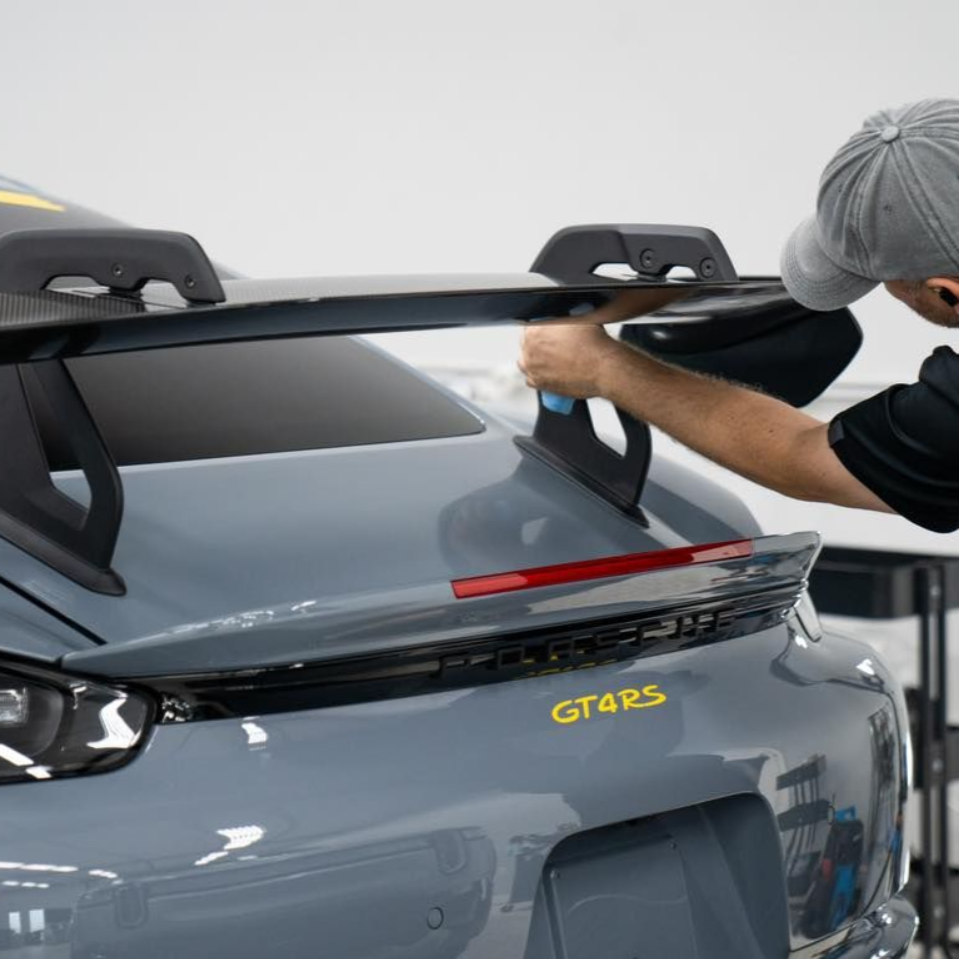
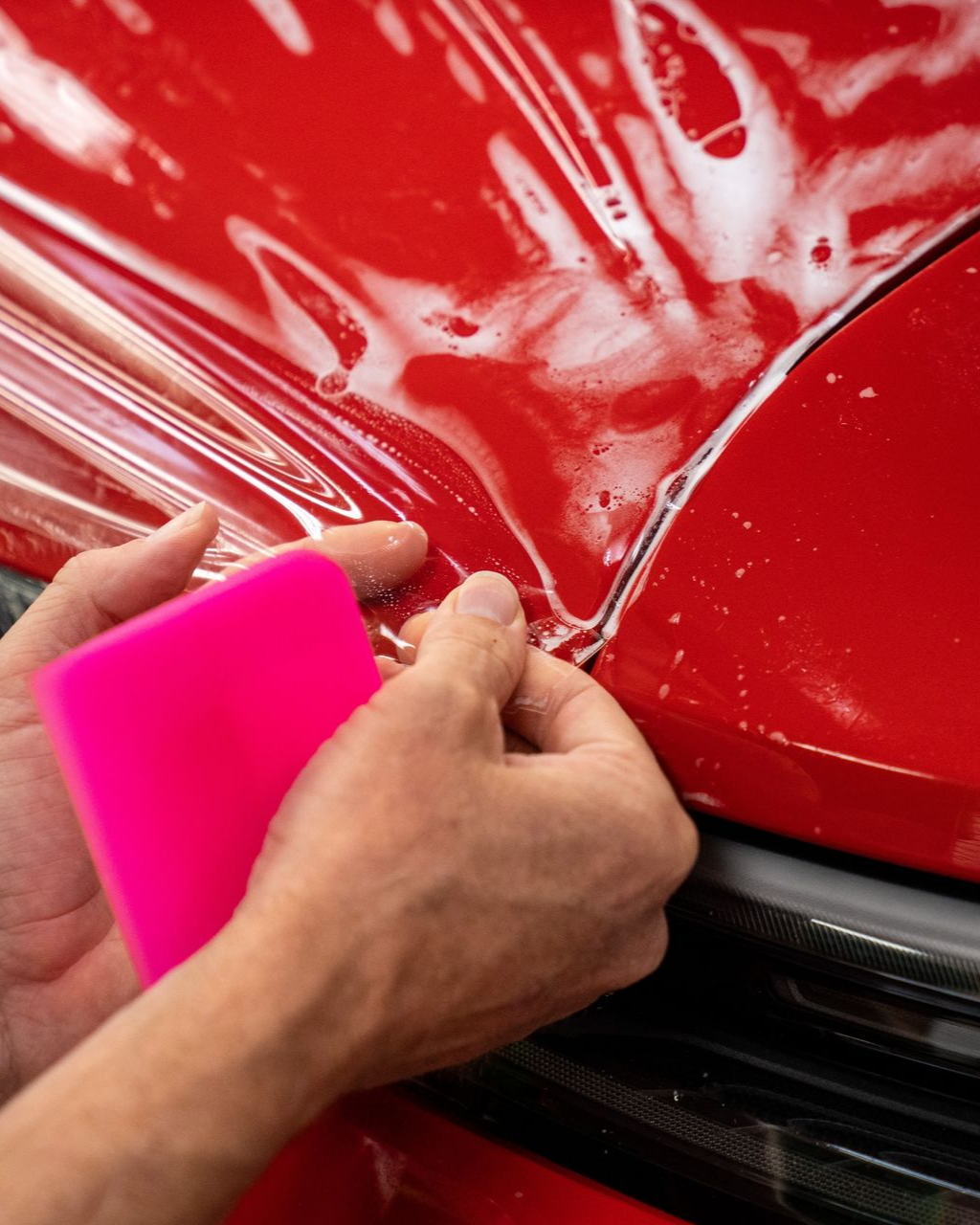
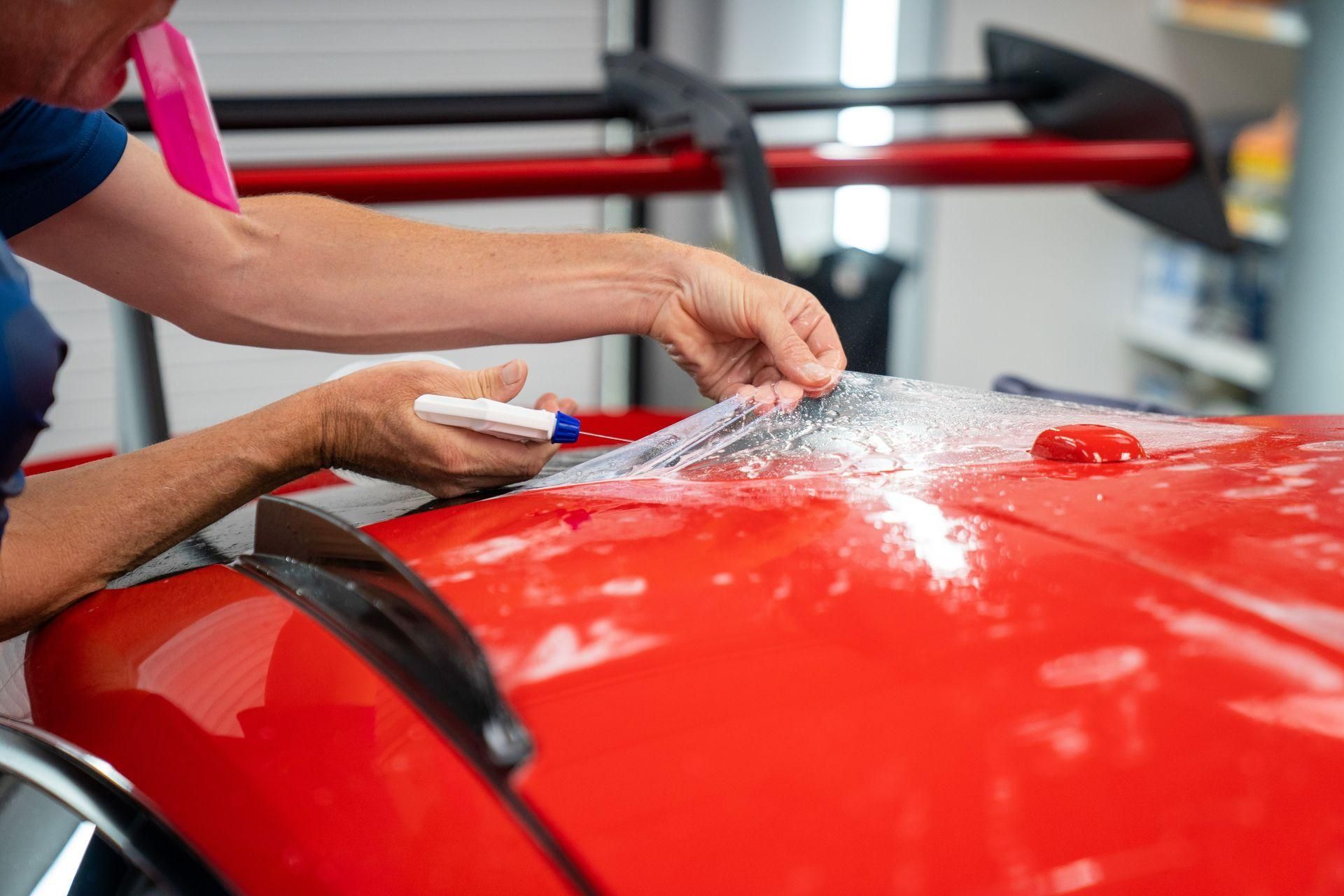
Even the best paint protection film will underperform if it is not installed correctly, which is why professional application is just as important as product quality. Proper installation begins with thorough surface preparation, including a full decontamination wash to remove dirt, tar, and embedded particles that could interfere with the film's bond. From there, skilled installers carefully stretch and shape the film to match the vehicle's contours, ensuring there are no trapped air pockets, wrinkles, or gaps along the edges where moisture could seep in. Poorly installed film is far more likely to lift, trap debris, or develop bubbling over time, conditions that can eventually affect the paint underneath. Trusting certified professionals for installation allows Tampa drivers to avoid these pitfalls entirely. If you are considering paint protection film installation for your vehicle, Presidential Automotive Detailing provides precision installation using premium PPF to help protect your paint from everyday wear and Florida's harsh driving conditions.
How PPF Actually Protects Paint Instead of Damaging It
When properly selected and installed, paint protection film functions as a durable shield that absorbs the impact of everyday hazards before they ever reach the vehicle's clear coat. Rock chips, road debris, minor scratches, and bug splatter are common threats on Florida roads, and PPF is specifically designed to intercept this damage rather than allow it to reach the paint surface. Beyond physical impacts, quality film also helps block harmful UV rays that would otherwise contribute to fading and oxidation over time. Rather than causing harm, this layer of protection preserves the factory finish underneath, helping vehicles maintain their original color depth and gloss for years longer than an unprotected surface would.
Signs of PPF Wear and When Maintenance Is Needed
Like any protective product, paint protection film will eventually show signs of age, and recognizing these signs early can help prevent unnecessary worry about the paint underneath. Bubbling, lifting edges, or a cloudy appearance are common indicators that film has reached the end of its useful lifespan and may need to be replaced. These issues are almost always limited to the film itself and can be resolved through professional reapplication rather than pointing to any deeper paint damage. Staying attentive to these warning signs and scheduling a maintenance check with a trusted detailing team keeps your protective layer working effectively.
Why Tampa, FL Drivers Benefit From PPF Long Term
Tampa's climate presents a unique combination of challenges that make paint protection film especially valuable for local drivers. Intense year-round sun exposure, high humidity, salty coastal air, and frequent encounters with road debris all take a toll on a vehicle's finish faster than in milder climates. Paint protection film helps offset these environmental stressors by creating a durable barrier that reduces fading, chipping, and surface wear, ultimately helping vehicles retain their resale value for longer. Presidential Automotive Detailing has extensive experience working with Tampa-area vehicles, and our familiarity with local conditions allows us to recommend the right film and application approach for each client's needs.
The Bottom Line: Does PPF Damage Car Paint?
Paint protection film, when chosen carefully and installed by trained professionals, does not damage car paint over time. Instead, it acts as a dedicated layer of defense that shields your vehicle's finish from UV rays, road debris, and everyday wear while preserving the paint underneath in its original condition. Any concerns about yellowing or adhesive residue almost always trace back to lower-quality film or inexperienced installation, reinforcing how important it is to work with a trusted provider. If you are considering paint protection film for your vehicle in Tampa, Presidential Automotive Detailing is ready to help you choose the right product and ensure a flawless application that protects your investment for years to come. Looking for professional paint protection film in Tampa?
Contact us today to schedule your consultation and protect your vehicle's finish with expertly installed, high-quality PPF designed for long-lasting performance.